Showing posts with label media center. Show all posts
Showing posts with label media center. Show all posts
Monday, March 6, 2017
Weeding the Garden: How We Determine Which Books to Remove from the Library
I love to garden. We purchased our first home about 3 years ago now. Each year I have done a little bit with the landscaping and gardening around our house. I spread the preexisting hostas and lilies out to line the sides of the house and garage. I tore out the dead bushes in front of our house and planted tulips, irises, and hydrangea bushes. I trimmed the lilac bush and I tilled up (ok my husband did the tilling) part of our backyard for a spacious vegetable garden. In order for my flowers and vegetables to grow, I needed to be sure to pull out the ugly dead plants and continually pull up the weeds. Without doing these things, it would be hard to see the beautiful new growth and it likely wouldn't have room to grow well. The same is true for a library collection. As much as we treasure every book in our library, from time to time we need to reevaluate, pull up the dead things, keep up with the weeding, and plant new things.
This is my second year teaching at Pinewood Elementary. (I hope to be here many more if they allow it.) This past summer, the Library Media Center got a little facelift with new paint and new carpet. This summer we will be doing a major overhaul with new furniture (shelves, tables, chairs, circ desk, the works). In order to make room for new spaces, like a comfortable seating area and STEM/Makerspace stations, we need to go through and weed our books. This means that we will be removing books from our library collection and either recycling them, offering them up to teachers, or donating them to a charity like Books for Africa. This is a big job and requires a lot of evaluation and consideration. How does one know which books to pull from the shelves and what to do with each one once pulled? How do you know whether the books should just be removed from the system and forgotten about or if they should be replaced with updated copies? Well. that's what this blog post is about. Read on to learn how this librarian chooses which books to weed and where to go from there.
I have to say, I am very grateful for technology when I start projects like these. The first step I take when planning to weed is to submit my library collection data to a company called Follett for an analysis. They then provide me with charts showing the age of different sections of the library and providing me with a base list of books that are good candidates for weeding. I use this list primarily for our nonfiction books as it helps me to pick out books that likely have outdated information. After looking at each book on the list, I pull the books that are indeed outdated and they are recycled. Next using our online library catalog software I run a report of how often books have been checked out in the last 3 years. The books that have been checked out fewer than 3 times are reviewed and I decide whether they simply need to be weeded, are good books hidden among ugly ones, or need an updated cover. This report assists me in weeding the chapter books, picture books, and sections of nonfiction like the folk tales and poetry.
My usual process involves starting an inventory in our online library catalog, grabbing a cart with a laptop or Chromebook and my USB bar code scanner, a stack of post its, and a book cart. I then start in the 000s section of the nonfiction books and slowly follow my list either pulling books and deleting them or scanning them for inventory. Deleted books go on the book cart while the other books remain on the shelf. By going through each shelf, I can also see books that are in distressed condition and pull them for weeding as well, even if they aren't on the list. This also allows me to pull books that may do better to be shelved elsewhere (this is where my post it notes come in).After I get through the nonfiction section. I continue with the remaining sections of the library. As my book cart gets full, I review my deleted books and decide what to do with them. Books that are in poor condition or contain outdated information get recycled. Books in good condition without time sensitive information (think fiction books) are put on a cart in the teachers lounge and after a week or two are donated to a charity. When I have finished going through all the shelves, I can also finalize an inventory of the library so that books that are not in the library are marked as lost. Now the library has room for new books and new spaces and the kids are able to more easily find the attractive new books.
For more information about weeding a library, visit this page for a comprehensive list of resources.
Standards for weeding are available here.


Wednesday, November 30, 2016
Build Those Reading Muscles!
Reading is one of the most important and fundamental skills your child will ever learn. In my experience what you do to foster your child's reading habits can almost be more important than the work your child's teacher does to accomplish the same goal. Of course it is very important for your child to have a quality teacher teaching them reading skills using a high quality curriculum, but your support for your child's reading habit is essential. With that in mind, we now need to answer the question of how you can support your child's reading habits and help them to become proficient readers and lovers of literature. Below are ten of the best tips I have found. I have also included a list of useful blog posts, websites, and books.
1. Make reading a priority: Show your children that reading is important to you. This can be accomplished through the rest of the tips below, but it really starts with your mindset and your home environment. Do you encourage your child to read? Do you have books, magazines, or newspapers in your home for your child to explore and read? Do you set aside time for reading for your children and yourself? Do you talk about reading? When a child sees that reading is important they will be more motivated to work at it.
2. Model reading behavior: It's important for your child to practice reading daily, but it is also important for you to practice reading daily! Statistics show that those who read more make more money and are more successful! Reading nonfiction books can help you build and stretch your skills, while fiction books can help you to relax and exercise your imagination. When your child sees you reading they come to understand that reading is an enjoyable activity and part of regular daily life. It doesn't matter what you read, just read!
3. Read to your child: I cannot emphasize enough how important it is to read to your child. Reading to your child models fluency and emotion while reading. It also shows your child that reading is something important to you. When a child sees that their parent values reading, they will be more apt to value reading as well. Finally, reading to your child allows for a wonderful bonding time. Discussing what was read can lead to discussions of their ideas, imagination, and daily life.
4. Find books your child enjoys: If you don't enjoy something, you simply don't want to do it. While it's OK to encourage your child to read the books you loved as a kid, it's also important to understand that they may not love them as much as you did. As much as you might prefer your child to read classic literature, it is more important that they are reading, When children find books they enjoy and learn to enjoy reading, they are more likely to move on to more challenging books, but they have to enjoy reading first. Allowing children to choose books they like is even more important for the struggling reader. When it's already tough to read, reading a boring book makes you want to try even less. Maybe your child has to start reading with graphic novels about Legos, It might not seem wonderful to you, but reading is reading.
5. Have your child read to you: This one may take a little patience. It can be very enjoyable to hear your child read to you, but it can also be tempting to just take over and read for them when they begin to struggle with fluency. Be sure to allow your child to try sounding out the word, using context clues, and looking at pictures before telling them the word. Try not to correct their reading too thoroughly so as to not let them become discouraged. If your child does not like to read, a great way to motivate your child is to take turns reading from the book. You read one page and they read the next, or break it down into paragraphs, sentences, even alternating words. Just be sure to let your child know that you are proud of the reading skills they are building.
6. Talk about what your child is reading: At some point your child ill probably be doing more independent reading than reading to you or with you. First, let me say that this should not discourage you from continuing to read aloud to your child. You should continue to read aloud to your kids as long as they will let you even if it's just a short passage from the newspaper! As your children read more and more independently, it's important to keep up with the books they are reading. It is a great idea to read the same books as them so that you can talk about the books more in depth, but even without reading the books you can have great conversations with your children about their reading. Ask them what they are reading. What is the book about? Do they like it? What's they're favorite/least favorite part so far? What are they going to read next? Having daily conversations about reading continues to show your child that reading is important.
7. Teach phonics and phonemic awareness (letter sounds): As a reading tutor, one of the problems my struggling readers often had was the inability to slow down and sound out words. Although we want kids to become fluent and not have to sound out words forever, this is a beginning skill that they need until they begin to learn, recognize, and memorize more complex words. From the time your little ones start to recognize their letters, you can talk about the sounds each letter makes. In the past I've found that phonics flashcards are an easy and fun way to practice letter sounds and blends. As students begin to read, encourage them to sound out words before telling them what the word is. By teaching this basic skill, students are able to learn to read independently.
8. Set reading goals or challenges: As with any sport or skill, the best way to stretch is to challenge yourself! Work with your child to set a reading goal appropriate to their reading level. This could be as simple as reading for 30 minutes every day. Maybe your avid reader needs a bit bigger of a challenge like reading a different genre of book every month or reading a certain number of classic novels by the end of the year. Since our 3rd-5th grade students participate in the Maud Hart Lovelace Award program, perhaps you could challenge your child to read all 12 of the nominated books rather than just the three they need to read in order to vote. Get creative. Use the internet for ideas. And don't forget to set a reading goal for yourself as well!
9. Visit the public library often: This goes along with allowing your child to find books that they enjoy. By visiting the public library, your child can search through a much wider variety of books than we have available at school or you have available at home. You can help your child to select books that fit their reading level and interests. The staff at the public library are available to make suggestions and help you to find just what you are looking for. On top of the numerous books that the public library has to offer, the public library also often offers a variety of activities for people of all ages. You can get your little ones excited about reading by stopping in for a family story time. Your teens can join a book club to talk to other teens about the books that interest them, and you can join a book club or find a helpful class as well.
10. Get outside help when needed: Finally, it's important to recognize when your child is truly struggling and you are no longer providing enough help for them. Sometimes working with your child on reading skills and school work can just become too overwhelming and stressful to the point of hurting your relationship with your child. If this seems to be the case, it may be time to think about finding a tutor to work with your child. The first step to take would be talking to the child's teacher for any suggestions. There may be an after school program that your child would be able to join for support, or the teacher may be able to suggest a tutor that would work well with your child. You can also find tutors on websites like Care.com or Wyzant.com. If your child needs a tutor, it's important to remember that neither you or your child is a failure. We can all use extra help from time to time.
Resources and Further Reading:
Braxton, B. (n.d.). Dr. Booklove's 2016 reading challenges. Retrieved from http://thebottomshelf.edublogs.org/dr-bookloves-2016-reading-challenges/
Braxton, B. (2016, June). Reading with your child. Retrieved from http://thebottomshelf.edublogs.org/reading-with-your-child/
Braxton, B. (n.d.). The art of reading aloud. Retrieved from http://thebottomshelf.edublogs.org/the-art-of-reading-aloud/
Burns, M., Griffin, P., & Snow, C. (Eds.). (1999). Starting out right: A guide to promoting children's reading success. Washington, D.C.: National Academies Press.
Fox, M. (2005). Reading magic: How your child can learn to read before school and other read-aloud miracles. London: Pan Macmillan
French, J. (2004). Rocket your child into reading. Melbourne, Australia: Angus & Robertson.
Jenkins, J. (2016). 10 things parents need to know to help a struggling reader. Retrieved from http://dyslexia.yale.edu/PAR_10thingstohelpchild.html
Jennings, P. (2008). The reading bug—and how you can help your child to catch it. London: Penguin UK.
Shanahan, T. (2015, September). 11 ways parents can help their children read. Retrieved from http://www.readingrockets.org/blogs/shanahan-literacy/11-ways-parents-can-help-their-children-read
Trelease, J. (2013). The read-aloud handbook. New York: Penguin.
Wilhelm, C. (2014, August). Your child has nightly reading homework. What should YOU be doing? Retrieved from http://www.cultofpedagogy.com/reading-homework-tips-for-parents/
1. Make reading a priority: Show your children that reading is important to you. This can be accomplished through the rest of the tips below, but it really starts with your mindset and your home environment. Do you encourage your child to read? Do you have books, magazines, or newspapers in your home for your child to explore and read? Do you set aside time for reading for your children and yourself? Do you talk about reading? When a child sees that reading is important they will be more motivated to work at it.
2. Model reading behavior: It's important for your child to practice reading daily, but it is also important for you to practice reading daily! Statistics show that those who read more make more money and are more successful! Reading nonfiction books can help you build and stretch your skills, while fiction books can help you to relax and exercise your imagination. When your child sees you reading they come to understand that reading is an enjoyable activity and part of regular daily life. It doesn't matter what you read, just read!
3. Read to your child: I cannot emphasize enough how important it is to read to your child. Reading to your child models fluency and emotion while reading. It also shows your child that reading is something important to you. When a child sees that their parent values reading, they will be more apt to value reading as well. Finally, reading to your child allows for a wonderful bonding time. Discussing what was read can lead to discussions of their ideas, imagination, and daily life.
4. Find books your child enjoys: If you don't enjoy something, you simply don't want to do it. While it's OK to encourage your child to read the books you loved as a kid, it's also important to understand that they may not love them as much as you did. As much as you might prefer your child to read classic literature, it is more important that they are reading, When children find books they enjoy and learn to enjoy reading, they are more likely to move on to more challenging books, but they have to enjoy reading first. Allowing children to choose books they like is even more important for the struggling reader. When it's already tough to read, reading a boring book makes you want to try even less. Maybe your child has to start reading with graphic novels about Legos, It might not seem wonderful to you, but reading is reading.
5. Have your child read to you: This one may take a little patience. It can be very enjoyable to hear your child read to you, but it can also be tempting to just take over and read for them when they begin to struggle with fluency. Be sure to allow your child to try sounding out the word, using context clues, and looking at pictures before telling them the word. Try not to correct their reading too thoroughly so as to not let them become discouraged. If your child does not like to read, a great way to motivate your child is to take turns reading from the book. You read one page and they read the next, or break it down into paragraphs, sentences, even alternating words. Just be sure to let your child know that you are proud of the reading skills they are building.
6. Talk about what your child is reading: At some point your child ill probably be doing more independent reading than reading to you or with you. First, let me say that this should not discourage you from continuing to read aloud to your child. You should continue to read aloud to your kids as long as they will let you even if it's just a short passage from the newspaper! As your children read more and more independently, it's important to keep up with the books they are reading. It is a great idea to read the same books as them so that you can talk about the books more in depth, but even without reading the books you can have great conversations with your children about their reading. Ask them what they are reading. What is the book about? Do they like it? What's they're favorite/least favorite part so far? What are they going to read next? Having daily conversations about reading continues to show your child that reading is important.
7. Teach phonics and phonemic awareness (letter sounds): As a reading tutor, one of the problems my struggling readers often had was the inability to slow down and sound out words. Although we want kids to become fluent and not have to sound out words forever, this is a beginning skill that they need until they begin to learn, recognize, and memorize more complex words. From the time your little ones start to recognize their letters, you can talk about the sounds each letter makes. In the past I've found that phonics flashcards are an easy and fun way to practice letter sounds and blends. As students begin to read, encourage them to sound out words before telling them what the word is. By teaching this basic skill, students are able to learn to read independently.
8. Set reading goals or challenges: As with any sport or skill, the best way to stretch is to challenge yourself! Work with your child to set a reading goal appropriate to their reading level. This could be as simple as reading for 30 minutes every day. Maybe your avid reader needs a bit bigger of a challenge like reading a different genre of book every month or reading a certain number of classic novels by the end of the year. Since our 3rd-5th grade students participate in the Maud Hart Lovelace Award program, perhaps you could challenge your child to read all 12 of the nominated books rather than just the three they need to read in order to vote. Get creative. Use the internet for ideas. And don't forget to set a reading goal for yourself as well!
9. Visit the public library often: This goes along with allowing your child to find books that they enjoy. By visiting the public library, your child can search through a much wider variety of books than we have available at school or you have available at home. You can help your child to select books that fit their reading level and interests. The staff at the public library are available to make suggestions and help you to find just what you are looking for. On top of the numerous books that the public library has to offer, the public library also often offers a variety of activities for people of all ages. You can get your little ones excited about reading by stopping in for a family story time. Your teens can join a book club to talk to other teens about the books that interest them, and you can join a book club or find a helpful class as well.
10. Get outside help when needed: Finally, it's important to recognize when your child is truly struggling and you are no longer providing enough help for them. Sometimes working with your child on reading skills and school work can just become too overwhelming and stressful to the point of hurting your relationship with your child. If this seems to be the case, it may be time to think about finding a tutor to work with your child. The first step to take would be talking to the child's teacher for any suggestions. There may be an after school program that your child would be able to join for support, or the teacher may be able to suggest a tutor that would work well with your child. You can also find tutors on websites like Care.com or Wyzant.com. If your child needs a tutor, it's important to remember that neither you or your child is a failure. We can all use extra help from time to time.
Resources and Further Reading:
Braxton, B. (n.d.). Dr. Booklove's 2016 reading challenges. Retrieved from http://thebottomshelf.edublogs.org/dr-bookloves-2016-reading-challenges/
Braxton, B. (2016, June). Reading with your child. Retrieved from http://thebottomshelf.edublogs.org/reading-with-your-child/
Braxton, B. (n.d.). The art of reading aloud. Retrieved from http://thebottomshelf.edublogs.org/the-art-of-reading-aloud/
Burns, M., Griffin, P., & Snow, C. (Eds.). (1999). Starting out right: A guide to promoting children's reading success. Washington, D.C.: National Academies Press.
Fox, M. (2005). Reading magic: How your child can learn to read before school and other read-aloud miracles. London: Pan Macmillan
French, J. (2004). Rocket your child into reading. Melbourne, Australia: Angus & Robertson.
Jenkins, J. (2016). 10 things parents need to know to help a struggling reader. Retrieved from http://dyslexia.yale.edu/PAR_10thingstohelpchild.html
Jennings, P. (2008). The reading bug—and how you can help your child to catch it. London: Penguin UK.
Shanahan, T. (2015, September). 11 ways parents can help their children read. Retrieved from http://www.readingrockets.org/blogs/shanahan-literacy/11-ways-parents-can-help-their-children-read
Trelease, J. (2013). The read-aloud handbook. New York: Penguin.
Wilhelm, C. (2014, August). Your child has nightly reading homework. What should YOU be doing? Retrieved from http://www.cultofpedagogy.com/reading-homework-tips-for-parents/
Tuesday, November 15, 2016
Teaching 5th Graders to Create Video Announcements
Last school year, I began my journey as the Media Specialist at Pinewood Elementary. One of the most challenging, but most enjoyable parts of this journey has been the creation of our daily student video announcements. I began last year winging things a bit. I had edited videos before. I had used an iPad to record. I had used YouTube and Google Drive. However, I had never done a daily broadcast or taught students how to be news anchors. This process was a learning opportunity for both myself and the students. You can read about the process a bit in two of my previous posts: "What Student News Has Taught Me and My Students" and "Green Shirt and Green Screen... Oops." With all that I learned from last year, I began this year with a new strategy to prepare our students to really take control of most of the production of the student news.
To begin the school year, I set aside my first three lessons to teach students how to be quality producers of the student news. The first thing that this new group of students needed to understand was the process for creating the announcements. It was really difficult to find a way to explain so that they understood the three day process. I needed to explain that on day one of production two students would write the script that the students who had Media the following day would be recording for the announcements that would be shown on the third day. This is a really hard concept for students to understand, and something that I am still working on explaining. One of the things that seemed to help with this explanation was creating a schedule of student jobs and posting the schedule outside our studio. This allowed the students to see when they would be performing the jobs of script writer, producer/director, and news anchor. Teaching students this process was part of our first lesson on the announcements.

The main objective of our first lesson on video announcements was how to write the script. This involved teaching the students how to open Google Drive, locate and access their Shared with Me Folder, and locate the two documents that would be necessary to write the script. The students work as partners on the student announcements, so one child opened the announcement bulletin and the other opened the announcement script. They then worked together to write a practice script.

The objective of our second lesson was to learn how to record the announcements. This meant teaching the students the basics of using the iPad to record a video and the exact process we used when recording. When recording the announcements, four students would be back in the studio. One pair would be the producers/directors and the other pair would be the news anchors. The director would hold out a whiteboard with the date of the announcements for the camera to see and pull it out of the way thus directing the news anchors to begin speaking. The producer would get the iPad zoomed in on the news anchors and press the record button to begin recording the announcements. The news anchors would then use their wireless mouse to control the teleprompter and begin reading the script that had been prepared for them by the previous day's class. I explained this whole process to the class and then had every student come back to the studio to practice a mini script so they had a better idea of the process.

The objective of the third lesson was to increase the students' confidence in being a news anchor and make them aware of the importance of projecting their voice and reading fluently. We talked about what reading too fast and too slow looked like and what that did to the feel of the announcements. We talked about what reading too loud or too quiet did for the announcement recording. We then practiced reading a script together as a class trying to keep to a good pace and good volume. After practicing the script a few times, we talked about ways to loosen up your body and mind so that there was less nervous energy when recording the announcements. We also talked about ways to warm up your voice for better sound. Finally, we talked about what it looked like to be a news anchor. News anchors smile and have fun, but still remain professional and do not act like clowns. This third lesson was in my opinion one of the most important and one of the most fun.
This year the announcements are being overseen and edited by a committee of teachers. I really appreciate this as I am currently out on maternity leave and will not return until mid-December. I feel that this committee and the lessons that have been taught to the students will allow announcement production to go smoothly in my absence. Next school year, or perhaps even towards the end of this school year, I would like to further place the production of the student news in the hands of students by creating a group of students interested in editing the announcement video. I have had a number of students ask about this possibility and I would love for this to be a truly student centered program. Whenever I decide to go ahead with this, I would create the group of students that would meet once for training on how to edit the videos and meet monthly afterwards for further training and feedback. These students would have a schedule for days on which they would come in during recess to edit the announcement video for the following day.
Our video announcements continue to be a daily learning opportunity. They are an area of growth for our staff committee, our students, and for myself. I look forward to seeing the ways in which this program will evolve.
To begin the school year, I set aside my first three lessons to teach students how to be quality producers of the student news. The first thing that this new group of students needed to understand was the process for creating the announcements. It was really difficult to find a way to explain so that they understood the three day process. I needed to explain that on day one of production two students would write the script that the students who had Media the following day would be recording for the announcements that would be shown on the third day. This is a really hard concept for students to understand, and something that I am still working on explaining. One of the things that seemed to help with this explanation was creating a schedule of student jobs and posting the schedule outside our studio. This allowed the students to see when they would be performing the jobs of script writer, producer/director, and news anchor. Teaching students this process was part of our first lesson on the announcements.

The main objective of our first lesson on video announcements was how to write the script. This involved teaching the students how to open Google Drive, locate and access their Shared with Me Folder, and locate the two documents that would be necessary to write the script. The students work as partners on the student announcements, so one child opened the announcement bulletin and the other opened the announcement script. They then worked together to write a practice script.

The objective of our second lesson was to learn how to record the announcements. This meant teaching the students the basics of using the iPad to record a video and the exact process we used when recording. When recording the announcements, four students would be back in the studio. One pair would be the producers/directors and the other pair would be the news anchors. The director would hold out a whiteboard with the date of the announcements for the camera to see and pull it out of the way thus directing the news anchors to begin speaking. The producer would get the iPad zoomed in on the news anchors and press the record button to begin recording the announcements. The news anchors would then use their wireless mouse to control the teleprompter and begin reading the script that had been prepared for them by the previous day's class. I explained this whole process to the class and then had every student come back to the studio to practice a mini script so they had a better idea of the process.

The objective of the third lesson was to increase the students' confidence in being a news anchor and make them aware of the importance of projecting their voice and reading fluently. We talked about what reading too fast and too slow looked like and what that did to the feel of the announcements. We talked about what reading too loud or too quiet did for the announcement recording. We then practiced reading a script together as a class trying to keep to a good pace and good volume. After practicing the script a few times, we talked about ways to loosen up your body and mind so that there was less nervous energy when recording the announcements. We also talked about ways to warm up your voice for better sound. Finally, we talked about what it looked like to be a news anchor. News anchors smile and have fun, but still remain professional and do not act like clowns. This third lesson was in my opinion one of the most important and one of the most fun.
This year the announcements are being overseen and edited by a committee of teachers. I really appreciate this as I am currently out on maternity leave and will not return until mid-December. I feel that this committee and the lessons that have been taught to the students will allow announcement production to go smoothly in my absence. Next school year, or perhaps even towards the end of this school year, I would like to further place the production of the student news in the hands of students by creating a group of students interested in editing the announcement video. I have had a number of students ask about this possibility and I would love for this to be a truly student centered program. Whenever I decide to go ahead with this, I would create the group of students that would meet once for training on how to edit the videos and meet monthly afterwards for further training and feedback. These students would have a schedule for days on which they would come in during recess to edit the announcement video for the following day.
Our video announcements continue to be a daily learning opportunity. They are an area of growth for our staff committee, our students, and for myself. I look forward to seeing the ways in which this program will evolve.
Sunday, October 9, 2016
Monday Morning Makers
This year at Pinewood, we have jumped on the Makerspace bandwagon. We have decided that allowing our students a time and space to explore, build, imagine, and create is very important. Rather than explain what a Makerspace is, I have included this video which I think does a fine job of explaining.
So now that you know what a Makerspace is in general, let me tell you the story of Pinewood's Makerspace. For a couple of years, the concept of Makerspaces has been catching on in schools. Last year, I went to a couple different conferences for Media Specialists and Technology teachers. At these conferences I learned more about the Makerspace movement, and met a wonderful Media Specialist from Rush Creek Elementary in the Osseo district. This wonderful Media Specialist invited me out to see her school's Monday Morning Maker events. These events are what Pinewood modeled their Makerspace events after. One Monday morning a month, students were able to sign up to come to the Media Center before school to explore various stations that involved making. She had a station for using the 3D printer, knitting, coding robots, LittleBits circuits, markerbots, Osobots, origami, and more. The students came in got to work and using their own imagination and determination along with some help from their friends made things. It was wonderful seeing the students shine.
Pinewood recently had their first Monday Morning Makers event. It was a great success and the students and teachers truly enjoyed it. On September 19th, 25 students and a couple teachers and parents gathered in the Media Center to explore. We had many of the same stations as listed above, but we also had Legos and puzzles. The hit for the favorite item was tied between our Sphero robots and our Lego Story Starter kit with origami and knitting following closely behind. Boys and girls worked kindly together to explore, build, imagine, and create.


We would like to thank our Pinewood PTO for supplying us with our Spheros, Lego Story Starter Kits, and Lego WeDo Kits. We would like to thank our Donors Choose donors for our origami, knitting, SnapCircuits, and Makey Makey supplies.
You can learn more about our Monday Morning Maker events and sign your child up here: https://sites.google.com/a/monticello.k12.mn.us/pinewood-media-center/monday-morning-makers
If you would like to support our Monday Morning Maker events, you can donate at https://www.donorschoose.org/project/learning-is-electric/2212029/
Or, we would love to take any gently used puzzles or craft items off your hands. To donate these particular items, please contact me at lisa.newhouse@monticello.k12.mn.us
Low Budget Maud Hart Attempt Number 2
Last year was the first year I was actually able to run the Maud Hart Lovelace Award program at a school. I began by teaching my 3rd-5th grade students about the program in September. I reminded them throughout the year that they needed to read three of the books in order to vote in March. The students understood the program and were excited to start reading the books. The only problem was that we only had 2 copies of each book to share among 500 or so students. The budget just didn't allow for buying more copies. I reminded the students that they could visit the public library or get the books from the local book store, but many did not do this for various reasons. In the end, I was only able to get 7 students to vote. Not to be discouraged, I am trying again this year.
Of course when things don't go exactly as you'd like, you need to make adjustments. I tried to find a way to equitably distribute the Maud Hart Lovelace books last year by using a spreadsheet and randomizing requests. This year I've decided we need to keep things simple, so the books will be on display when they are available and when they are checked out, students will be able to put the books on hold just like any other book in the library. Hopefully this will be a less complicated and quicker system. However, there will still be a high demand and low supply of these books, so I have talked to the local public library and asked that they display the books as well. An email was also sent home to parents explaining the program and encouraging them to help their children check out the books from the public library.
To remind the students of the program, we are trying a few different things. We will be sharing a bit about each book on the announcements to encourage students to check them out from the library. As I said earlier, we have sent out an email to parents to encourage them to get involved. We have talked to the local public library about having a display of the books and helping students to find them. Finally, we will have several posters in the Media Center about the Maud Hart Lovelace program, as well as a book display of the nominees. Hopefully all of these steps will encourage more students to participate in the Maud Hart Lovelace program.
To learn more about the Maud Hart Lovelace Award and this year's nominees, visit: http://www.maudhartlovelace.org/
Of course when things don't go exactly as you'd like, you need to make adjustments. I tried to find a way to equitably distribute the Maud Hart Lovelace books last year by using a spreadsheet and randomizing requests. This year I've decided we need to keep things simple, so the books will be on display when they are available and when they are checked out, students will be able to put the books on hold just like any other book in the library. Hopefully this will be a less complicated and quicker system. However, there will still be a high demand and low supply of these books, so I have talked to the local public library and asked that they display the books as well. An email was also sent home to parents explaining the program and encouraging them to help their children check out the books from the public library.
To remind the students of the program, we are trying a few different things. We will be sharing a bit about each book on the announcements to encourage students to check them out from the library. As I said earlier, we have sent out an email to parents to encourage them to get involved. We have talked to the local public library about having a display of the books and helping students to find them. Finally, we will have several posters in the Media Center about the Maud Hart Lovelace program, as well as a book display of the nominees. Hopefully all of these steps will encourage more students to participate in the Maud Hart Lovelace program.
To learn more about the Maud Hart Lovelace Award and this year's nominees, visit: http://www.maudhartlovelace.org/
Wednesday, May 25, 2016
Maud Hart Lovelace Award: 2015-16 Winner and 2016-17 Nominees and Program
The Minnesota Youth Reading Awards announced the Maud Hart Lovelace Award winner at an evening event at the Red Balloon Book Shop in St. Paul. The third place winner was Summer of the Wolves by Polly Carlson Voiles. This book about a girl who doesn't fit in anywhere has a number of Minnesota connections from the setting to the author. The second place winner, full of humor and mystery, was Fourth Stall by Chris Rylander. And taking first place was Escape from Mr. Lemoncello's Library by Chris Grabenstein. This book was raved about by the students. The plot is similar to Charlie and the Chocolate Factory, but with more modern elements such as video games all built into a library setting.
This year was the first year in a while that we have attempted to participate in the Maud Hart Lovelace Award Program. The students were very excited to read the books. This year the program consisted only of voting on the award winner. This meant students had to read 3 of the nominees in order to vote for a winner. You can read a little more about that here. In the end we had six students vote. One of the reasons we had so few students able to vote was the lack of books. With our minimal budget, we are only able to purchase 2 copies of each book. It was suggested to me to limit the program to 5th grade students, but I hate limiting any program that I know will be good for my students.

In the next school year (2016-2017), we will still only be able to purchase two copies of each nominee. We will be doing a few things to make this program more successful working with our limited number of books. First, I plan to read at least one of the Maud Hart Lovelace nominees to all of our 3rd-5th grade classes. We are also asking for parent support to order more books through DonorsChoose.org. (If you are able to help please do.). Lastly, we are hopeful that by sharing the nominee list with parents, students will be able to get the books from the public library to read over the summer. (You can also purchase them from most book stores. Shop Amazon here to support Pinewood.) Below you will find a list of the 2016-2017 Maud Hart Lovelace Nominees and a brief description. (Descriptions are taken from the authors website or amazon.)
This year's nominees for Division 1 are:
 Almost Home by Joan Bauer: Sugar Mae Cole doesn’t often get downhearted, but lately it’s been a struggle to keep up her spirit. Newly homeless, Sugar, her mother Reba, and her beloved rescue dog, Shush, have come to Chicago to make a fresh start. But it seems like everything goes wrong. Pouring her feelings into letters and poetry, Sugar is honest about her fear and confusion while holding tight to her dreams for a normal life… and learns to reach for the best she’s got during the worst time in her life.
Army of Frogs: A Kulipari Novel by Trevor Pryce: For years, the frogs of the Amphibilands have lived in safety—protected by an elite group of poisonous frogs named the Kulipari and by the dreamcasting spell of the turtle king that cloaks their lands in mystery. Now the spell is threatened by the Spider Queen, a talented spellcaster, and Lord Marmoo, leader of the scorpions. With the Kulipari off training in secret, the Amphibilands have never been so vulnerable. Enter Darel, a young frog who dreams of joining the Kulipari, despite his utter lack of poison and limited fighting skills. With the help of a motley crew of friends, Darel has the chance to become the warrior of his dreams.
 Ava & Pip by Carol Weston: It’s the first day of fifth grade, and Ava feels invisible in your own family. Her parents, Anna and Bob, are constantly worrying about her shy big sister Pip. It’s not fair! Sure, Ava feels bad for Pip, but she gets mad at her too. Ultimately, Ava decides to help her sister find her voice--and in doing so, she finds her own.
Breaking Stalin's Nose by Eugene Yelchin: Sasha Zaichik has known the laws of the Soviet Young Pioneers since the age of six:
The Young Pioneer is devoted to Comrade Stalin, the Communist Party, and Communism.
A Young Pioneer is a reliable comrade and always acts according to conscience.
A Young Pioneer has a right to criticize shortcomings.
But now that it is finally time to join the Young Pioneers, the day Sasha has awaited for so long, everything seems to go awry. He breaks a classmate's glasses with a snowball. He accidentally damages a bust of Stalin in the school hallway. And worst of all, his father, the best Communist he knows, was arrested just last night.
 Capture the Flag by Kate Messner: Anna, José, and Henry are complete strangers with more in common than they realize. Snowed in together at a chaotic Washington DC airport, they encounter a mysterious tattooed man, a flamboyant politician, and a rambunctious poodle named for an ancient king. Even stranger…news stations everywhere have announced that the famous flag that inspired “The Star-Spangled Banner” has been stolen! Anna, certain that the culprits must be snowed in, too, recruits Henry and José to help catch the thieves and bring them to justice. But when accusations start flying, the kids soon realize there’s more than a national treasure at stake. And with unexpected enemies lurking at every corner, do Anna, José, and Henry have what it takes to solve the heist?
 El Deafo by Cece Bell: Going to school and making new friends can be tough. But going to school and making new friends while wearing a bulky hearing aid strapped to your chest? That requires superpowers! In this funny, poignant graphic novel memoir, author/illustrator Cece Bell chronicles her hearing loss at a young age and her subsequent experiences with the Phonic Ear, a very powerful—and very awkward—hearing aid. The Phonic Ear gives Cece the ability to hear—sometimes things she shouldn’t—but also isolates her from her classmates. She really just wants to fit in and find a true friend, someone who appreciates her as she is. After some trouble, she is finally able to harness the power of the Phonic Ear and become “El Deafo, Listener for All.” And more importantly, declare a place for herself in the world and find the friend she’s longed for.
 Escape by Night by Laurie Myers: Ten-year-old Tommy and his sister Annie are intrigued by the new soldiers arriving in their Georgia town. Since the Civil War started, wounded men waiting to be treated at the local church-turned-hospital have been coming in by droves. When Tommy sees a soldier drop his notebook, he sends his dog, Samson, to fetch it. Tommy soon meets the soldier and is faced with the hardest decision he's ever had to make: whether or not he should help a Yankee escape to freedom.
Five Lives of Our Cat Zook by Joanne Rocklin: In this warmhearted middle-grade novel, Oona and her brother, Fred, love their cat, Zook (short for Zucchini), but Zook is sick. As they conspire to break him out of the vet’s office, Oona tells the stories of his previous lives, ranging in style from fairy tale to grand epic to slice of life. Each of Zook’s lives have echoes in Oona’s own family life, which is going through a transition she’s not yet ready to face. Her father died two years ago, and her mother has started a relationship with a man named Dylan—whom Oona secretly calls “the villain.” The truth about Dylan, and about Zook’s medical condition, drives the drama in this loving family story.
 Kizzy Ann Stamps by Jeri Watts: In 1963, as Kizzy Ann prepares for her first year at an integrated school, she worries about the color of her skin, the scar running from the corner of her right eye to the tip of her smile, and whether anyone at the white school will like her. She writes letters to her new teacher in a clear, insistent voice, stating her troubles and asking questions with startling honesty. The new teacher is supportive, but not everyone feels the same, so there is a lot to write about. Her brother, James, is having a far less positive school experience than she is, and the annoying white neighbor boy won’t leave her alone. But Shag, her border collie, is her refuge. Even so, opportunity clashes with obstacle. Kizzy Ann knows she and Shag could compete well in the dog trials, but will she be able to enter? From Jeri Watts comes an inspiring middle-grade novel about opening your mind to the troubles and scars we all must bear — and facing life with hope and trust.
 Nickel Bay Nick by Dean Pitchford: Eleven-year-old Sam Brattle is already having the worst Christmas ever – his dad’s bakery is going bankrupt, and his mom is spending the holidays with her new family. To make things worse, Nickel Bay Nick – the Good Samaritan who could always be counted on to anonymously distribute hundred-dollar bills around town every Christmastime, is a no-show. So this year the rest of Nickel Bay is as miserable as Sam.
When he stumbles upon the secret identity of this mysterious do-gooder, Sam is stunned to learn that he might now be Nickel Bay’s only hope. But before he can rescue his hometown, Sam has to learn the skills of a spy and unravel some even darker secrets that will change his life forever.
Secret Chicken Society by Judy Cox: When Daniel finds out that his class is going to hatch chicks as a science project, he is thrilled. He's sure that his parents will let him adopt Peepers, who is his favorite. But who ever guessed that chicks could run amok and get into so much trouble? This warmheated chapter book about an environmentally-conscious family's experiment with poultry farming will provided plenty of clucks and lots of chuckles for young readers.

Wild River by P.J. Petersen:When twelve-year-old Ryan reluctantly agrees to join his experienced older brother, Tanner, on a camping trip, he never dreams that it will turn into the most frightening day of his life.
Ryan admits he's no good at sports or outdoor stuff. He'd much rather be playing video games. But Tanner assures him it will be an easy trip. They'll kayak down the Boulder River, fish, and toast marshmallows at night.
When they set out, the river is higher than usual, and the kayaking is scary. Tanner keeps saying there's no reason to worry. But when he's badly hurt in a kayaking accident, Ryan is afraid he's not up to the challenge of saving his brother's life. The only danger Ryan has confronted has been in his video games. What good are those games now, when he's facing a real-life battle?
This year was the first year in a while that we have attempted to participate in the Maud Hart Lovelace Award Program. The students were very excited to read the books. This year the program consisted only of voting on the award winner. This meant students had to read 3 of the nominees in order to vote for a winner. You can read a little more about that here. In the end we had six students vote. One of the reasons we had so few students able to vote was the lack of books. With our minimal budget, we are only able to purchase 2 copies of each book. It was suggested to me to limit the program to 5th grade students, but I hate limiting any program that I know will be good for my students.

In the next school year (2016-2017), we will still only be able to purchase two copies of each nominee. We will be doing a few things to make this program more successful working with our limited number of books. First, I plan to read at least one of the Maud Hart Lovelace nominees to all of our 3rd-5th grade classes. We are also asking for parent support to order more books through DonorsChoose.org. (If you are able to help please do.). Lastly, we are hopeful that by sharing the nominee list with parents, students will be able to get the books from the public library to read over the summer. (You can also purchase them from most book stores. Shop Amazon here to support Pinewood.) Below you will find a list of the 2016-2017 Maud Hart Lovelace Nominees and a brief description. (Descriptions are taken from the authors website or amazon.)
This year's nominees for Division 1 are:

Army of Frogs: A Kulipari Novel by Trevor Pryce: For years, the frogs of the Amphibilands have lived in safety—protected by an elite group of poisonous frogs named the Kulipari and by the dreamcasting spell of the turtle king that cloaks their lands in mystery. Now the spell is threatened by the Spider Queen, a talented spellcaster, and Lord Marmoo, leader of the scorpions. With the Kulipari off training in secret, the Amphibilands have never been so vulnerable. Enter Darel, a young frog who dreams of joining the Kulipari, despite his utter lack of poison and limited fighting skills. With the help of a motley crew of friends, Darel has the chance to become the warrior of his dreams.
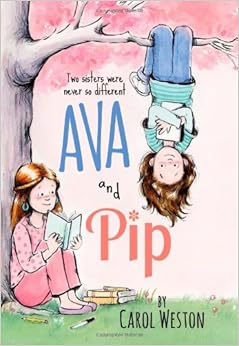 Ava & Pip by Carol Weston: It’s the first day of fifth grade, and Ava feels invisible in your own family. Her parents, Anna and Bob, are constantly worrying about her shy big sister Pip. It’s not fair! Sure, Ava feels bad for Pip, but she gets mad at her too. Ultimately, Ava decides to help her sister find her voice--and in doing so, she finds her own.
Breaking Stalin's Nose by Eugene Yelchin: Sasha Zaichik has known the laws of the Soviet Young Pioneers since the age of six:
The Young Pioneer is devoted to Comrade Stalin, the Communist Party, and Communism.
A Young Pioneer is a reliable comrade and always acts according to conscience.
A Young Pioneer has a right to criticize shortcomings.
But now that it is finally time to join the Young Pioneers, the day Sasha has awaited for so long, everything seems to go awry. He breaks a classmate's glasses with a snowball. He accidentally damages a bust of Stalin in the school hallway. And worst of all, his father, the best Communist he knows, was arrested just last night.
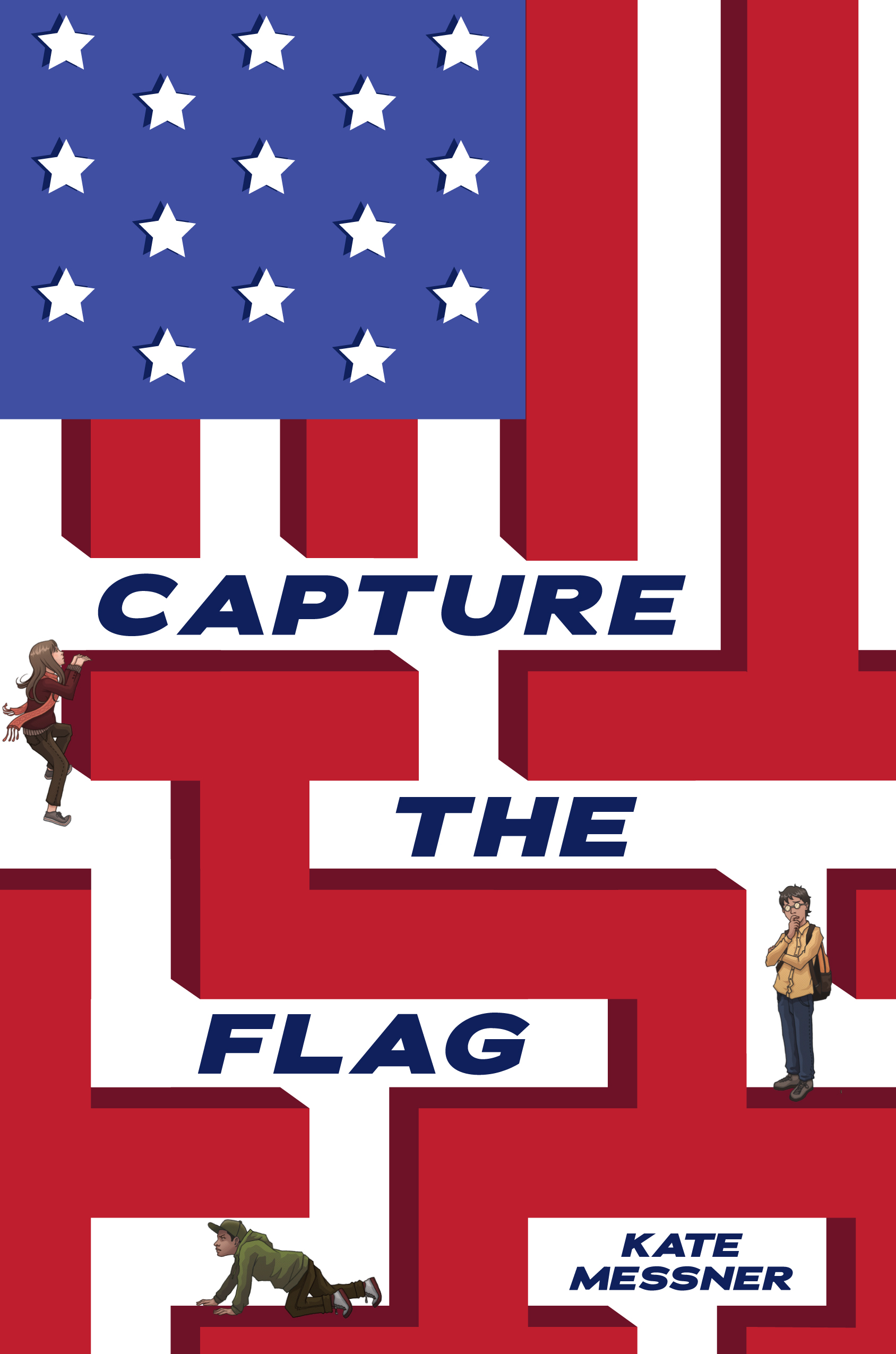 Capture the Flag by Kate Messner: Anna, José, and Henry are complete strangers with more in common than they realize. Snowed in together at a chaotic Washington DC airport, they encounter a mysterious tattooed man, a flamboyant politician, and a rambunctious poodle named for an ancient king. Even stranger…news stations everywhere have announced that the famous flag that inspired “The Star-Spangled Banner” has been stolen! Anna, certain that the culprits must be snowed in, too, recruits Henry and José to help catch the thieves and bring them to justice. But when accusations start flying, the kids soon realize there’s more than a national treasure at stake. And with unexpected enemies lurking at every corner, do Anna, José, and Henry have what it takes to solve the heist?El Deafo by Cece Bell: Going to school and making new friends can be tough. But going to school and making new friends while wearing a bulky hearing aid strapped to your chest? That requires superpowers! In this funny, poignant graphic novel memoir, author/illustrator Cece Bell chronicles her hearing loss at a young age and her subsequent experiences with the Phonic Ear, a very powerful—and very awkward—hearing aid. The Phonic Ear gives Cece the ability to hear—sometimes things she shouldn’t—but also isolates her from her classmates. She really just wants to fit in and find a true friend, someone who appreciates her as she is. After some trouble, she is finally able to harness the power of the Phonic Ear and become “El Deafo, Listener for All.” And more importantly, declare a place for herself in the world and find the friend she’s longed for.
Five Lives of Our Cat Zook by Joanne Rocklin: In this warmhearted middle-grade novel, Oona and her brother, Fred, love their cat, Zook (short for Zucchini), but Zook is sick. As they conspire to break him out of the vet’s office, Oona tells the stories of his previous lives, ranging in style from fairy tale to grand epic to slice of life. Each of Zook’s lives have echoes in Oona’s own family life, which is going through a transition she’s not yet ready to face. Her father died two years ago, and her mother has started a relationship with a man named Dylan—whom Oona secretly calls “the villain.” The truth about Dylan, and about Zook’s medical condition, drives the drama in this loving family story.
 Kizzy Ann Stamps by Jeri Watts: In 1963, as Kizzy Ann prepares for her first year at an integrated school, she worries about the color of her skin, the scar running from the corner of her right eye to the tip of her smile, and whether anyone at the white school will like her. She writes letters to her new teacher in a clear, insistent voice, stating her troubles and asking questions with startling honesty. The new teacher is supportive, but not everyone feels the same, so there is a lot to write about. Her brother, James, is having a far less positive school experience than she is, and the annoying white neighbor boy won’t leave her alone. But Shag, her border collie, is her refuge. Even so, opportunity clashes with obstacle. Kizzy Ann knows she and Shag could compete well in the dog trials, but will she be able to enter? From Jeri Watts comes an inspiring middle-grade novel about opening your mind to the troubles and scars we all must bear — and facing life with hope and trust.
 Nickel Bay Nick by Dean Pitchford: Eleven-year-old Sam Brattle is already having the worst Christmas ever – his dad’s bakery is going bankrupt, and his mom is spending the holidays with her new family. To make things worse, Nickel Bay Nick – the Good Samaritan who could always be counted on to anonymously distribute hundred-dollar bills around town every Christmastime, is a no-show. So this year the rest of Nickel Bay is as miserable as Sam.
When he stumbles upon the secret identity of this mysterious do-gooder, Sam is stunned to learn that he might now be Nickel Bay’s only hope. But before he can rescue his hometown, Sam has to learn the skills of a spy and unravel some even darker secrets that will change his life forever.
Secret Chicken Society by Judy Cox: When Daniel finds out that his class is going to hatch chicks as a science project, he is thrilled. He's sure that his parents will let him adopt Peepers, who is his favorite. But who ever guessed that chicks could run amok and get into so much trouble? This warmheated chapter book about an environmentally-conscious family's experiment with poultry farming will provided plenty of clucks and lots of chuckles for young readers.

Wild River by P.J. Petersen:When twelve-year-old Ryan reluctantly agrees to join his experienced older brother, Tanner, on a camping trip, he never dreams that it will turn into the most frightening day of his life.
Ryan admits he's no good at sports or outdoor stuff. He'd much rather be playing video games. But Tanner assures him it will be an easy trip. They'll kayak down the Boulder River, fish, and toast marshmallows at night.
When they set out, the river is higher than usual, and the kayaking is scary. Tanner keeps saying there's no reason to worry. But when he's badly hurt in a kayaking accident, Ryan is afraid he's not up to the challenge of saving his brother's life. The only danger Ryan has confronted has been in his video games. What good are those games now, when he's facing a real-life battle?
Monday, May 23, 2016
The Local Public Library: Supporting Student Learning through the Summer

This year, the Great River Regional Library's Summer Reading Theme is Read for the Win. Students can swing by their local branch of the Great River Regional Library to pick up a library card and some books and sign up for the program. Students will receive a reading record on which they keep track of their summer reading. Each reading record has 5 clocks on it. Students will mark off one clock for each hour they read, are read to, or listen to an audiobook. When students have marked off 5 hours, they can return their records to the library to be entered into a drawing for some sweet prizes! While they are there, they can also pick up some more books to read. The program runs June 13-August 13. You can visit http://www.griver.org/kids/summer-reading-program for more information.

Also, this summer at the library, there will be lots of fun events for the kids to join in. Come during lunchtime on Fridays for crafts, reading, and social time. There are other craft opportunities as well, including creating a robot from recycled materials and creating balloon animals! There is even a Library Olympics in July! Check out all the events at the Great River Regional Library here:
http://www.griver.org/events
There's always something fun happening at your local public library!

Monday, February 1, 2016
Green Shirt and Green Screen... Oops.
In October, I began my first attempts at putting together a student new broadcast. The students and I learned lots of things in the first few months as I wrote about in a previous post. We learned how to use the iPad to record, how to utilize Google Docs for script writing, and how to use iMovie for editing among other things. We are still working on fixing some of the problems we noticed way back then, but we have also made other improvements along the way.
One of the problems that we noticed initially is the sound quality while recording with the iPad. This is still an issue that we are battling. We have tried a few different microphones and have not had a lot of success. There is one microphone we borrowed to try out that seemed to work well, so we are in the process of ordering that microphone. In the meantime, it has meant telling the students to speak up and adjusting sound in iMovie.
Writing the script has been somewhat of a challenge for the students. Some kids are just better writers than others. This has meant that I set the students up to type and allow them to try their best, but then I end up looking it over to make sure everything is correct. When the students have done a good job, there's not much I need to redo, but sometimes the kids do very little and I end up rewriting the whole script. It's ok though because it is all about the experience.
We have made a few improvements over the months since I last wrote about the student news. Our first improvement was to get rid of the printed scripts as seen in this episode:


One of the problems that we noticed initially is the sound quality while recording with the iPad. This is still an issue that we are battling. We have tried a few different microphones and have not had a lot of success. There is one microphone we borrowed to try out that seemed to work well, so we are in the process of ordering that microphone. In the meantime, it has meant telling the students to speak up and adjusting sound in iMovie.
 |
| iMovie: When you click on volume on the bottom, you can raise up the sound levels. |
We have made a few improvements over the months since I last wrote about the student news. Our first improvement was to get rid of the printed scripts as seen in this episode:
We replaced the printed scripts with a teleprompter. Our teleprompter consists of a LCD projector on a cart connected to my laptop which has the script set up in cueprompter.com. The script is projected onto a portable screen.


This improvement has meant that there is no more shuffling of papers while a student is speaking and the students are now looking up rather than down at their papers. The end result looked like this:
This was a great improvement, but after attending the TIES conference in Minneapolis this year, I just had to have a green screen. Luckily our previous Media Specialist, the great and powerful Tom Gilgenbach, gifted us the app Do Ink Green Screen. Our custodians were kind enough to paint one of the walls in our studio (back storage room) green over winter break. This has been such fun! We still record using the iPad, then we import the video into the Do Ink app to add backgrounds, save the video to the camera roll, and finish editing in the iMovie app.
 |
| Do Ink Green Screen App: Super easy to use! Even my 4th graders can do it! |
The green screen can end up looking really cool, like in this video:
But we have run into the issue of students wearing green shirts, like in this video (oops!):
Looking forward, there are still a number of ways we would like to improve the student news. Ordering the microphone to improve sound quality will be a great help. We are hoping to paint the two walls on the sides of the news desk to improve the adding of backgrounds. Each week we announce winners for good behavior and we announce birthdays daily. We will try to start adding photos of the students as their names are announced.
Looking to next year, I am considering different ways we could have students involved. Currently, all the students have an assigned date to type the script and to be an anchor. Some students dislike typing and others do not like being an anchor. I have had students help with recording and editing in minimal amounts. Next year, I am thinking that I may have students broken up into groups based on which role they would like. Perhaps some students will be our reporters and gather information for our script writers to write into the script. The script writers would perfect their writing skills in scripts that the anchors would read. While the anchors read there would be a director/ producer directing them when to speak, slow down, and speed up as they record on the iPad. After the recording is done, the editors would then put in the green screen background and edit the video in the iMovie app. This would mean that all of our 5th grade students would be involved in some way in the announcements, but in the way that they would most enjoy. This is still a thought I will be pondering for a while.
Tuesday, January 19, 2016
Hour of Code Morphs into Two Coding Clubs
This December the technology teacher and I ran the Hour of Code program for all our students grades K-5. Rather than just doing coding for one week like most schools we allowed our students to explore computer coding for a whole month. So what is coding anyway? Well, according to Code.org, its a superpower! Coding is basically giving a computer a set of commands that the computer understands and uses to perform tasks. These tasks could be moving an item across the screen, making an item appear, creating a drawing, or many other things. In my opinion, this video pretty well captures what coding is and why it is important.

 Some students quickly got bored with coding. These students were very happy when they returned from Winter Break to learn that we were moving on to other lessons. There were a number of students, however, that were very bummed out that we would no longer be coding. While we were doing the Hour of Code throughout December, I got feedback from the parents of these kiddos that their children were enamored with learning these new coding skills. As I watched the students working together to get through the puzzles on Code.org, I saw students that regularly struggled to just sit still in class becoming successful collaborators on a project. I saw students that struggled to find any success in school build a glow of confidence in their new-found talents. For this reason, I decided that coding needed to be continued in some way with these children.

 Some students quickly got bored with coding. These students were very happy when they returned from Winter Break to learn that we were moving on to other lessons. There were a number of students, however, that were very bummed out that we would no longer be coding. While we were doing the Hour of Code throughout December, I got feedback from the parents of these kiddos that their children were enamored with learning these new coding skills. As I watched the students working together to get through the puzzles on Code.org, I saw students that regularly struggled to just sit still in class becoming successful collaborators on a project. I saw students that struggled to find any success in school build a glow of confidence in their new-found talents. For this reason, I decided that coding needed to be continued in some way with these children.
One of the things that I most enjoy as a Media Specialist is being able to provide children a place in the school where they can be successful even when they feel left behind in other subjects. This was the main reason I decided to start a before school coding club. The students who enjoyed coding and found that they were successful at something in school are now able to continue building skills and confidence that could lead to rewarding careers in the future. I am very excited to announce that we will be starting two coding clubs in February! Our 2nd-3rd Grade Coding Club will start on February 3rd and our 4th and 5th Grade Coding Club will begin on February 10th! We hope to see you there!
Monday, January 18, 2016
Legos in the Library: Part Two
Back in October, I wrote about how excited I was to learn about the Lego Story Starter Kits. These kits looked amazing, and after having some time to work with them, I realized they really are amazing. We were given the funds to purchase a classroom set of Lego Story Starter boxes from our generous and supportive PTO. The first project we have done with the Legos is having our 4th grade students write their own mystery stories. They planned out their stories using a worksheet, wrote a rough draft on lined paper, and then typed their final draft on a Chromebook using Google Docs. Before even getting to use Legos, these students learned the elements of a mystery story, how to plan out a project, and how to use their imagination to write a story. Once the students finished typing their stories we began using the Legos to build the illustrations for their story. The students built a beginning, a middle, and an ending scene from the Legos. The final step was to put the pictures I had taken of their scenes into the Google Doc.
After doing this project, there are a few things I think went really well, and some things that could be improved upon. First, let me start by saying that I will be doing this project with the 4th grade students again next year, however there will be improvements made. When I look back and think about what we could improve on, it mostly comes down to organization. By having the students complete their planning and rough drafts on paper, this made it possible for worksheets to be misplaced or taken home and forgotten about. Next year, I will have the students complete the worksheet in Google Docs and type their rough draft. After they complete their rough draft, I will show them how to use spell check and have them have at least one classmate critique their story before saving it as the final draft. Another organization issue was in using the Legos. With the way my schedule is, I only had 25 minutes with each 4th grade class every 4 days. This is really not enough to complete even one scene, so the first classes I had using the Legos saved their creations to complete later. This meant that there were not enough Legos for the other classes to complete their creations, and we forgot which bins the Lego pieces came from. To solve this issue I combined my 4th grade classes. Where I usually had one class working on Legos and another checking out books, I simply combined them and let them pause to check out books at a time that worked for them. Next year I will begin the project with a combined class as it seems to make the project go much faster. Finally, in using the Legos I did not leave enough time to clean up so the boxes did not get sorted back to the way they were at the beginning of the unit. Luckily I have some 5th grade girls that will help me out, but next year I will need to spend part of a period explaining how the Legos should be sorted and be more vigilant as the students pick up.
Now on to the great things that have come from this project! First and foremost, the students were having fun learning. The students learned a lot of things, but the thing they will always remember is being able to "play" with Legos in the library. This Lego project allowed me to combine language arts, technology, and art into one lesson. It built community through collaboration as groups of students worked together at Lego bins. It built confidence as students found something they could be successful in, and ultimately, it made the students feel good.


(More pictures to come.)
After doing this project, there are a few things I think went really well, and some things that could be improved upon. First, let me start by saying that I will be doing this project with the 4th grade students again next year, however there will be improvements made. When I look back and think about what we could improve on, it mostly comes down to organization. By having the students complete their planning and rough drafts on paper, this made it possible for worksheets to be misplaced or taken home and forgotten about. Next year, I will have the students complete the worksheet in Google Docs and type their rough draft. After they complete their rough draft, I will show them how to use spell check and have them have at least one classmate critique their story before saving it as the final draft. Another organization issue was in using the Legos. With the way my schedule is, I only had 25 minutes with each 4th grade class every 4 days. This is really not enough to complete even one scene, so the first classes I had using the Legos saved their creations to complete later. This meant that there were not enough Legos for the other classes to complete their creations, and we forgot which bins the Lego pieces came from. To solve this issue I combined my 4th grade classes. Where I usually had one class working on Legos and another checking out books, I simply combined them and let them pause to check out books at a time that worked for them. Next year I will begin the project with a combined class as it seems to make the project go much faster. Finally, in using the Legos I did not leave enough time to clean up so the boxes did not get sorted back to the way they were at the beginning of the unit. Luckily I have some 5th grade girls that will help me out, but next year I will need to spend part of a period explaining how the Legos should be sorted and be more vigilant as the students pick up.
Now on to the great things that have come from this project! First and foremost, the students were having fun learning. The students learned a lot of things, but the thing they will always remember is being able to "play" with Legos in the library. This Lego project allowed me to combine language arts, technology, and art into one lesson. It built community through collaboration as groups of students worked together at Lego bins. It built confidence as students found something they could be successful in, and ultimately, it made the students feel good.


(More pictures to come.)
Thank you Mrs. Marquette!
This past week was paraprofessional week. I have to say that I absolutely love my para! She is the best I've ever had and there is no way I would have been able to get this far into the year without her. She's a humble person, so she probably wouldn't ever admit this is true, but it is.
Mrs. Marquette is a gem. Every day she comes to work ready to get things done. She starts by getting out the barcode lists for the day's classes. She then works on checking in books and setting out the hold books for the students. As the day goes on, she spends time preparing overdue notices and lets the students know which books they still have out. She shelves books that have been checked in and trains 5th grade students to do the same. She is always learning new ways to get the job done and new technologies we are implementing in the school.

This year has been a bit of a challenge for us. Not only has Mrs. Marquette had to put up with me, but she has also had to take a big role in supervising a whole 3rd grade class and a whole 4th grade class for an hour each every day. Due to scheduling and limited staff, I have two third grade classes and two fourth grade classes in the Media Center during the 50 minute prep time for these grades. This has meant that while I spend 25 minutes teaching a lesson to one class, she is having to help the other class check out books while monitoring their behavior. Since she is stuck behind the desk checking out books and I am at the other side of the library teaching, classroom management can be a challenge. Mrs. Marquette has taken on the challenge like a rockstar and done a marvelous job!
Mrs. Marquette has also been my sounding board for new ideas. She has encouraged me to explore and build up the Media Program. She has also excitedly learned about the new technologies we are using. This has included learning about video production on the iPad using iMovie and Do Ink Green Screen, Lego Story Starter Kits, and all the wonderful things you can do on a Chromebook. She takes pictures of the new fun things we do so that we are able to share with our staff and administration.
Finally, Mrs. Marquette has simply been an amazing support and friend! Thank you Mrs. Marquette!

Mrs. Marquette is a gem. Every day she comes to work ready to get things done. She starts by getting out the barcode lists for the day's classes. She then works on checking in books and setting out the hold books for the students. As the day goes on, she spends time preparing overdue notices and lets the students know which books they still have out. She shelves books that have been checked in and trains 5th grade students to do the same. She is always learning new ways to get the job done and new technologies we are implementing in the school.
This year has been a bit of a challenge for us. Not only has Mrs. Marquette had to put up with me, but she has also had to take a big role in supervising a whole 3rd grade class and a whole 4th grade class for an hour each every day. Due to scheduling and limited staff, I have two third grade classes and two fourth grade classes in the Media Center during the 50 minute prep time for these grades. This has meant that while I spend 25 minutes teaching a lesson to one class, she is having to help the other class check out books while monitoring their behavior. Since she is stuck behind the desk checking out books and I am at the other side of the library teaching, classroom management can be a challenge. Mrs. Marquette has taken on the challenge like a rockstar and done a marvelous job!
Mrs. Marquette has also been my sounding board for new ideas. She has encouraged me to explore and build up the Media Program. She has also excitedly learned about the new technologies we are using. This has included learning about video production on the iPad using iMovie and Do Ink Green Screen, Lego Story Starter Kits, and all the wonderful things you can do on a Chromebook. She takes pictures of the new fun things we do so that we are able to share with our staff and administration.
Finally, Mrs. Marquette has simply been an amazing support and friend! Thank you Mrs. Marquette!

Mrs. Newhouse, why are there puzzles on the table?
 Since the beginning of the year, students have had silent reading time after checking out their books. Many of the first and second grade students treasure this time to read their books and share them with friends. Many of the kindergarten students, however struggle with the amount of time they are given for silent reading. These kiddos have 25 minutes to check out a book and read through it. Some of them take the full 25 minutes just to pick out a book. Others take less than a minute to run and grab a book on display. We try to stress that they should take their time picking out a just right book that they will for sure enjoy, but for some that display book is the just right book.
 So am I just using these puzzles to fill time for the kindergartners? No. This activity teaches the students skills they will use on to adulthood without them even realizing they are learning. Students learn to match shapes and colors. They also build on their spatial awareness. More importantly, the students are learning problem solving and collaboration. These are skills that I believe will be incredibly important in the future. Future jobs will not need kids that know how to sit at a desk and work alone. The workplace is more and more becoming a place where individuals come together to form a creative, problem solving team. With students learning problem solving and creativity through jigsaw puzzles, they will be one step closer to being on the team that is bettering our world.
Lastly, puzzles simply give the kids a time to wind down and enjoy school.


Subscribe to:
Posts (Atom)