Showing posts with label reading. Show all posts

Sunday, April 30, 2017

Summer Reading Lists

We all know it is important to keep our students reading during the summer, but what do we encourage them to read? Below are links to my summer reading suggestions for Summer 2017

Entering this grade in August/September 2017:
Kindergarten
1st Grade
2nd Grade
3rd Grade
4th Grade
5th Grade
6th Grade
Middle School
High School
College

Be sure to check with your local bookstores and public libraries for summer reading programs and events!

Resources and Book Lists:
Kindergarten- Grade 2: 


Grade 3- Grade 5:


Middle School:


High School/ Young Adult:


College:


Wednesday, March 15, 2017

Graphic Novels: Why They're Not Junk

If you have been paying attention to the books that children are gravitating towards these days, you may have noticed that many of them are choosing what appear to be comic books. These books that are so popular now are called graphic novels. As Amy Mascott mentions in her blog, these books, just like your average novel, have defined characters and complex plots. Unlike your average novel, they are written in a comic book format with panels of pictures and with text mostly in speech or thought bubbles. You may think that these books are less worthy to be read than novels that are purely in text, but I assure you that graphic novels are a key to reading success for many students.
When trying to get a reluctant reader to read, you may not have much luck with a book full of words, but once you show them a book with illustrations and words they are much more intrigued. There are numerous students that would not read if it were not for graphic novels. These books are thick and have an interest level appropriate to the child so that they are not embarrassed to be caught reading it like they might a picture book, but with the help of the illustrations, students can comprehend what is happening in the book and feel successful at reading. Once students have built confidence through reading graphic novels, they often turn to regular novels with similar plots. This is why graphic novels based on the classics or on popular chapter books are wonderful. A student who reads The Lightning Thief graphic novel may be so intrigued that they then try the original version of this book. For these reasons, I often encourage my struggling readers to try graphic novels.
"But my student is not a struggling reader and they are still reading this junk!" I assure you these books are not junk. There is quite a bit of value to reading graphic novels. Many graphic novels use rich, challenging vocabulary words, but students are able to comprehend what is going on because they have the assistance of the rich, beautiful artwork. Thus through reading graphic novels, students are able to learn new vocabulary words and improve their reading fluency. There are also graphic novels that are based on classic literature. I love these books because they make complex texts accessible to all students. Even a student who is an avid reader can struggle with the vocabulary and text structure of a classic novel, but through reading the graphic novel version they are able to comprehend the text and access the important lessons embedded in the story. The same goes for graphic nonfiction. There are a number of nonfiction books that have come out in the last few years in graphic novel form. These are wonderful for learning history and as biographies since you are able to get a real picture of what happened that you would not be able to get from a traditional nonfiction book. Finally, reading graphic novels requires another whole set of skills that a novel does not require. Students have to track the story through cells, learn to read both pictures and words together, and learn to slow down and really breathe in the whole story. All of these are reasons why I have no problem with my students reading graphic novels and even encourage them to be read.
How do you feel about graphic novels? Why? If you like them, what are some of your favorites?

Please help us grow our graphic novel collection at Pinewood by supporting our Donors Choose project.

Further Reading:
Anderson, M. (2016). 10 reasons to let your kids read graphic novels. Retrieved from http://www.metroparentmagazine.com/story/life/books/2016/09/06/10-reasons-let-your-kids-read-graphic-novels/88072448/
Filucci, S. (2016). How comics helped my kid love reading. Retrieved from https://www.commonsensemedia.org/blog/how-comics-helped-my-kid-love-reading
Jones, E. (2014.) 5 great reasons to read graphic novels. Retrieved from http://playfullearning.net/2014/12/5-great-reasons-read-graphic-novels/
Mascott, A. (2017). 3 reasons graphic novels can be great for young readers. Retrieved from http://www.scholastic.com/parents/blogs/scholastic-parents-raise-reader/3-reasons-graphic-novels-can-be-great-young-readers

Wednesday, November 30, 2016

Build Those Reading Muscles!

Reading is one of the most important and fundamental skills your child will ever learn. In my experience what you do to foster your child's reading habits can almost be more important than the work your child's teacher does to accomplish the same goal. Of course it is very important for your child to have a quality teacher teaching them reading skills using a high quality curriculum, but your support for your child's reading habit is essential. With that in mind, we now need to answer the question of how you can support your child's reading habits and help them to become proficient readers and lovers of literature. Below are ten of the best tips I have found. I have also included a list of useful blog posts, websites, and books.

1. Make reading a priority: Show your children that reading is important to you. This can be accomplished through the rest of the tips below, but it really starts with your mindset and your home environment. Do you encourage your child to read? Do you have books, magazines, or newspapers in your home for your child to explore and read? Do you set aside time for reading for your children and yourself? Do you talk about reading? When a child sees that reading is important they will be more motivated to work at it.

2. Model reading behavior: It's important for your child to practice reading daily, but it is also important for you to practice reading daily! Statistics show that those who read more make more money and are more successful! Reading nonfiction books can help you build and stretch your skills, while fiction books can help you to relax and exercise your imagination. When your child sees you reading they come to understand that reading is an enjoyable activity and part of regular daily life. It doesn't matter what you read, just read!

3. Read to your child: I cannot emphasize enough how important it is to read to your child. Reading to your child models fluency and emotion while reading. It also shows your child that reading is something important to you. When a child sees that their parent values reading, they will be more apt to value reading as well. Finally, reading to your child allows for a wonderful bonding time. Discussing what was read can lead to discussions of their ideas, imagination, and daily life.

4. Find books your child enjoys: If you don't enjoy something, you simply don't want to do it. While it's OK to encourage your child to read the books you loved as a kid, it's also important to understand that they may not love them as much as you did. As much as you might prefer your child to read classic literature, it is more important that they are reading, When children find books they enjoy and learn to enjoy reading, they are more likely to move on to more challenging books, but they have to enjoy reading first. Allowing children to choose books they like is even more important for the struggling reader. When it's already tough to read, reading a boring book makes you want to try even less. Maybe your child has to start reading with graphic novels about Legos, It might not seem wonderful to you, but reading is reading.

5. Have your child read to you: This one may take a little patience. It can be very enjoyable to hear your child read to you, but it can also be tempting to just take over and read for them when they begin to struggle with fluency. Be sure to allow your child to try sounding out the word, using context clues, and looking at pictures before telling them the word. Try not to correct their reading too thoroughly so as to not let them become discouraged. If your child does not like to read, a great way to motivate your child is to take turns reading from the book. You read one page and they read the next, or break it down into paragraphs, sentences, even alternating words. Just be sure to let your child know that you are proud of the reading skills they are building.

6.  Talk about what your child is reading: At some point your child ill probably be doing more independent reading than reading to you or with you. First, let me say that this should not discourage you from continuing to read aloud to your child. You should continue to read aloud to your kids as long as they will let you even if it's just a short passage from the newspaper! As your children read more and more independently, it's important to keep up with the books they are reading. It is a great idea to read the same books as them so that you can talk about the books more in depth, but even without reading the books you can have great conversations with your children about their reading. Ask them what they are reading. What is the book about? Do they like it? What's they're favorite/least favorite part so far? What are they going to read next? Having daily conversations about reading continues to show your child that reading is important.

7. Teach phonics and phonemic awareness (letter sounds):  As a reading tutor, one of the problems my struggling readers often had was the inability to slow down and sound out words. Although we want kids to become fluent and not have to sound out words forever, this is a beginning skill that they need until they begin to learn, recognize, and memorize more complex words. From the time your little ones start to recognize their letters, you can talk about the sounds each letter makes. In the past I've found that phonics flashcards are an easy and fun way to practice letter sounds and blends. As students begin to read, encourage them to sound out words before telling them what the word is. By teaching this basic skill, students are able to learn to read independently.

8. Set reading goals or challenges: As with any sport or skill, the best way to stretch is to challenge yourself! Work with your child to set a reading goal appropriate to their reading level. This could be as simple as reading for 30 minutes every day. Maybe your avid reader needs a bit bigger of a challenge like reading a different genre of book every month or reading a certain number of classic novels by the end of the year. Since our 3rd-5th grade students participate in the Maud Hart Lovelace Award program, perhaps you could challenge your child to read all 12 of the nominated books rather than just the three they need to read in order to vote. Get creative. Use the internet for ideas. And don't forget to set a reading goal for yourself as well!

9.  Visit the public library often: This goes along with allowing your child to find books that they enjoy. By visiting the public library, your child can search through a much wider variety of books than we have available at school or you have available at home. You can help your child to select books that fit their reading level and interests. The staff at the public library are available to make suggestions and help you to find just what you are looking for. On top of the numerous books that the public library has to offer, the public library also often offers a variety of activities for people of all ages. You can get your little ones excited about reading by stopping in for a family story time. Your teens can join a book club to talk to other teens about the books that interest them, and you can join a book club or find a helpful class as well.

10. Get outside help when needed: Finally, it's important to recognize when your child is truly struggling and you are no longer providing enough help for them. Sometimes working with your child on reading skills and school work can just become too overwhelming and stressful to the point of hurting your relationship with your child. If this seems to be the case, it may be time to think about finding a tutor to work with your child. The first step to take would be talking to the child's teacher for any suggestions. There may be an after school program that your child would be able to join for support, or the teacher may be able to suggest a tutor that would work well with your child. You can also find tutors on websites like Care.com or Wyzant.com. If your child needs a tutor, it's important to remember that neither you or your child is a failure. We can all use extra help from time to time.


Resources and Further Reading: 
Braxton, B. (n.d.). Dr. Booklove's 2016 reading challenges. Retrieved from http://thebottomshelf.edublogs.org/dr-bookloves-2016-reading-challenges/

Braxton, B. (2016, June). Reading with your child. Retrieved from http://thebottomshelf.edublogs.org/reading-with-your-child/

Braxton, B. (n.d.). The art of reading aloud. Retrieved from http://thebottomshelf.edublogs.org/the-art-of-reading-aloud/ 

Burns, M., Griffin, P., & Snow, C. (Eds.). (1999). Starting out right: A guide to promoting children's reading success. Washington, D.C.: National Academies Press.

Fox, M. (2005). Reading magic: How your child can learn to read before school and other read-aloud miracles. London: Pan Macmillan

French, J. (2004). Rocket your child into reading. Melbourne, Australia: Angus & Robertson.

Jenkins, J. (2016). 10 things parents need to know to help a struggling reader. Retrieved from http://dyslexia.yale.edu/PAR_10thingstohelpchild.html

Jennings, P. (2008). The reading bug—and how you can help your child to catch it. London: Penguin UK.

Shanahan, T. (2015, September). 11 ways parents can help their children read. Retrieved from http://www.readingrockets.org/blogs/shanahan-literacy/11-ways-parents-can-help-their-children-read

Trelease, J. (2013). The read-aloud handbook. New York: Penguin.

Wilhelm, C. (2014, August). Your child has nightly reading homework. What should YOU be doing? Retrieved  from http://www.cultofpedagogy.com/reading-homework-tips-for-parents/

Monday, October 31, 2016

Best Gift Ideas for your Reader!

With the holidays quickly approaching, it is time to be thinking about what kinds of gifts you could give to your children that they will both enjoy and will have some benefit for them. It is easy to buy them this year's coolest toy or the most fashionable outfit, but what about things that support their learning? Here are some fun gift ideas for your reader.


1. Book Themed Tablet or iPad Case: Does your child have a favorite book? Do they have an iPad or tablet they use? Why not combine the two with a book themed case like this Harry Potter themed iPad case.


2. Book Themed Clothing: Graphic tees with fun sayings are always a hit with my family. They can be funny and even be a sort of inside joke. Help your child show off their fashion sense and begin discussions about their favorite books with book themed clothing like this Diary of a Wimpy Kid Cheese Touch Tee.


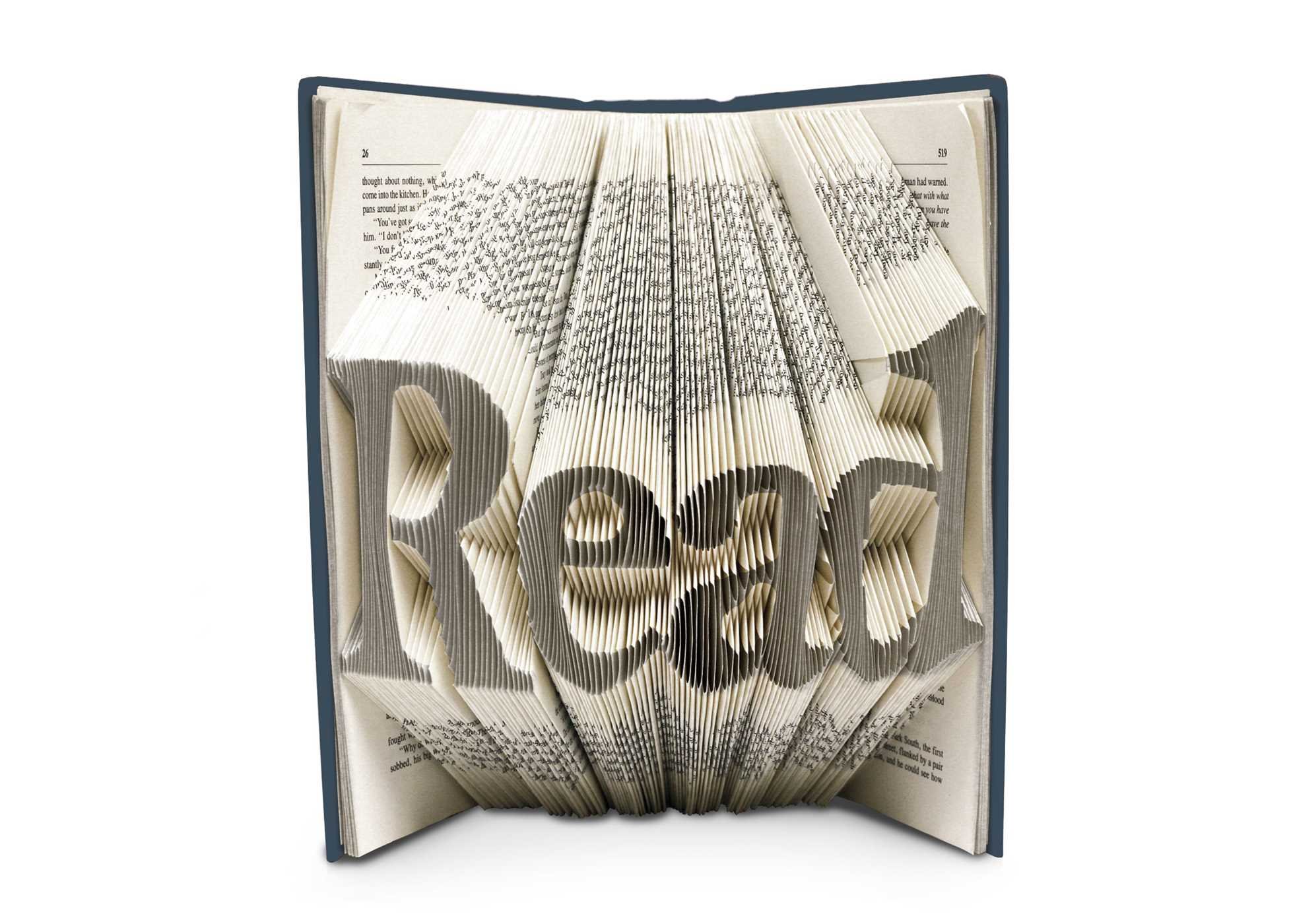
3. Book Art and Posters: In my past experience, one of the most popular items at the Scholastic Book Fair has been the posters. What kid doesn't like posters? They allow the child to show off their personality and take part in decorating their own room. Add some art to your child's room with book themed posters and artwork. You can even introduce your child to a classic novel and take time to make their own book art using kits like this.


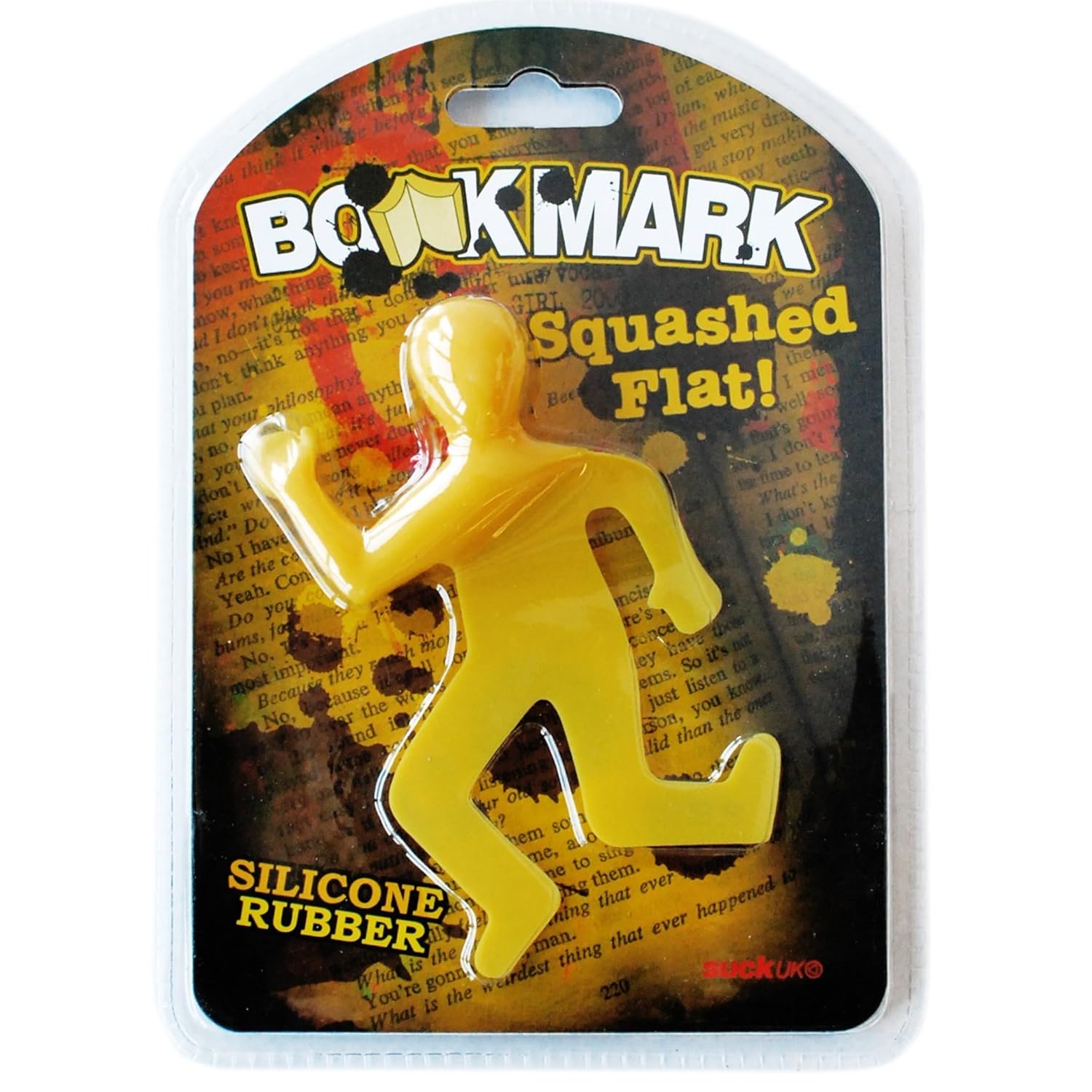
4. Book Marks: Need a simple, practical stocking stuffer? How about some fun artsy book marks? Or book marks with quotes and artwork from a favorite book or movie? You can make it an even better gift by pairing the bookmark with a few new books they've been dying to read. These Harry Potter book marks are beautiful and would pair well with a new boxed set of Harry Potter books! And what boy would not love this Dead Mark book mark?


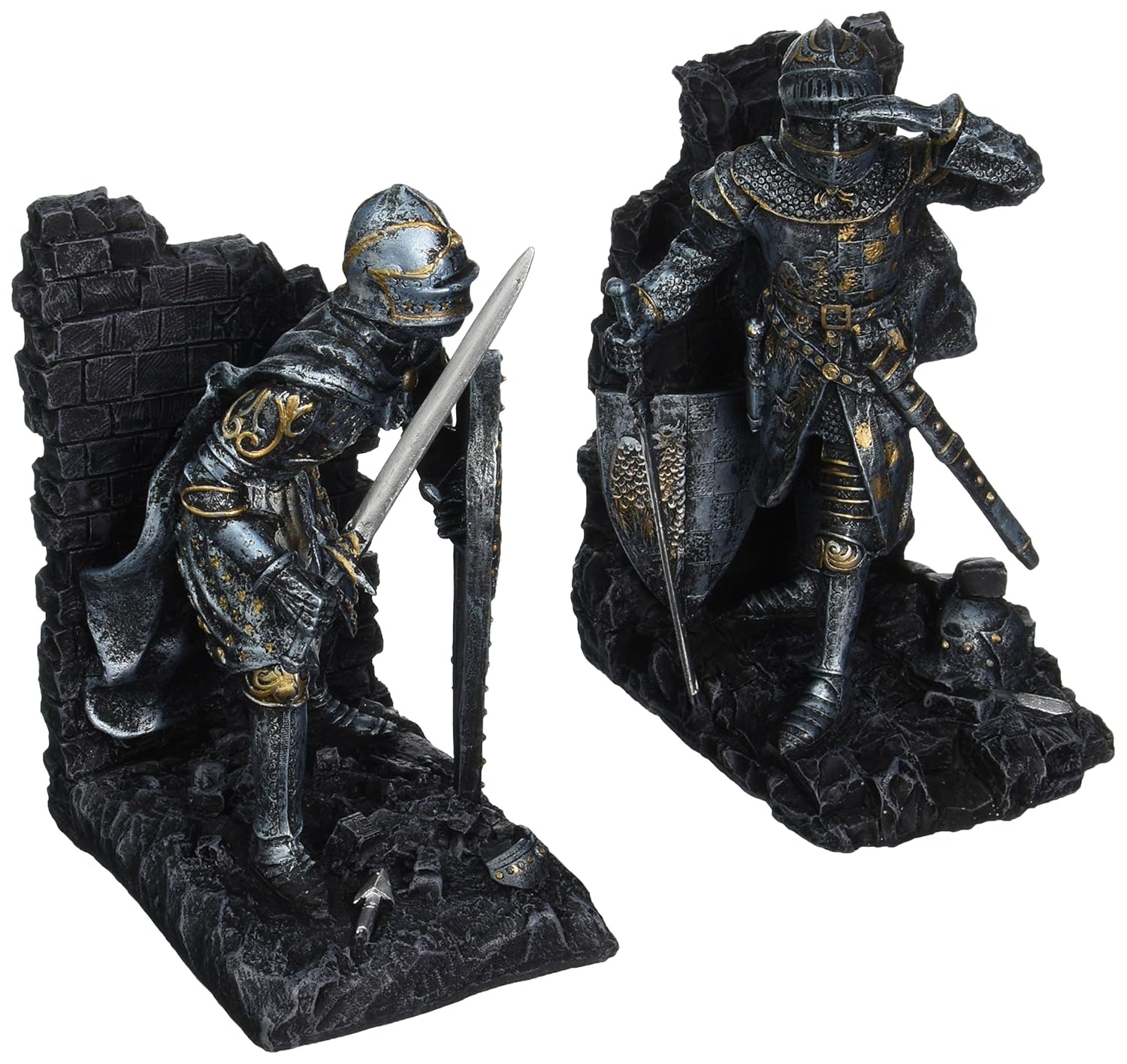
5. Book Shelf or Book Ends: Is your child a book collector like I am? At some point that kiddo will need a place to store all of their wonderful book friends! If your child does not have a book shelf in their room, this may be something you want to consider. I have these book shelves similar to these for my personal collection, and they work well. No room for a book shelf? Perhaps there is a little bit of room on the top of their dresser to store some books. Fun book ends like these can help keep those books standing.


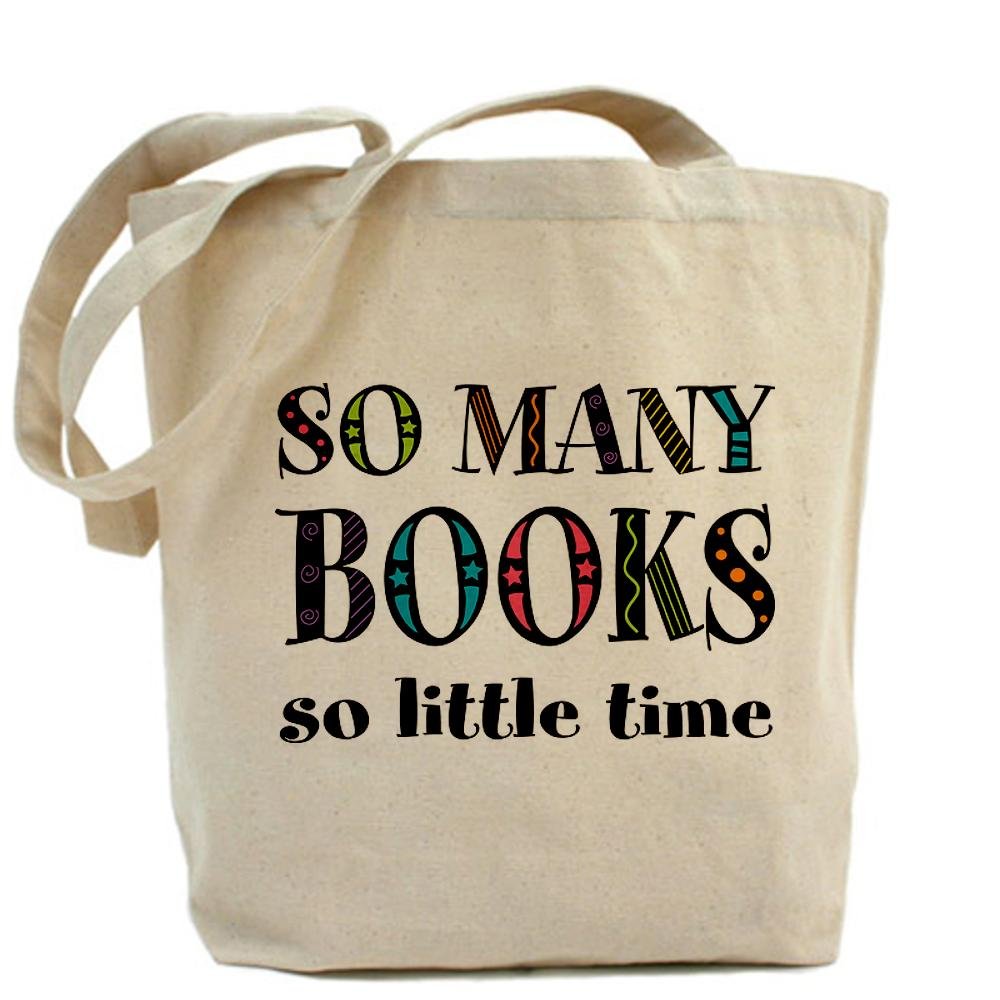
6. Library Book Tote: Maybe your child goes through books so fast a trip to the public library every week is a necessity. That's a great thing! Help your child to carry their library books with a fun library book tote! And while you are visiting the Monticello Public Library, be sure to have your child mark down their visit on our library visit contest poster!


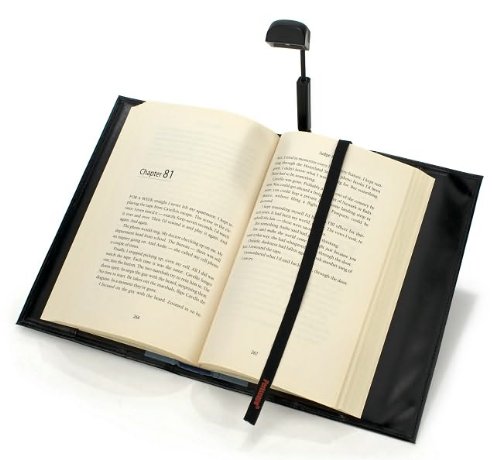
7. Book Light or Lamp: Is your child one of those readers that will hide under the covers with a good book long after you've told them to go to bed? I remember going up to bed when my mom told me to and sneaking back downstairs a short time later to continue reading the intriguing books that I couldn't put down! Help your child to read after dark with a nice book light or bedside lamp. Sometimes it's OK to be an enabler. ;)


8. Reading Blanket and Pillow: My mother was always an avid reader and collected books, so growing up we had a little library in our home. We had lots of children's books, adult books, and even a couple sets of encyclopedias. In this formal living room turned library we had one arm chair and a love seat. Maybe you have a room like this in your home, or just a special place where your child likes to curl up to read. Why not make this space even more cozy with a special reading blanket or pillow?


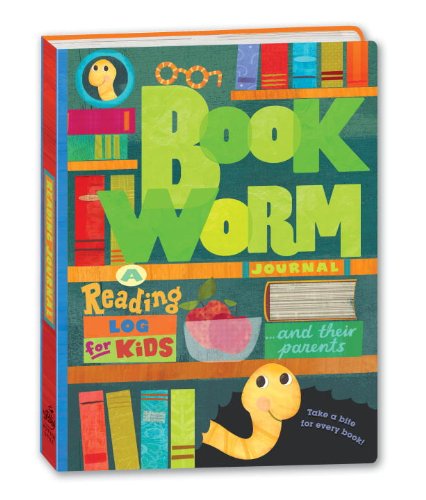
9. Reading Journal and Themed Pen Sets: Help your child to keep track of their reading with a reading journal. Your child can write reviews of the books they have read, write down questions they have as they read, and keep track of their favorite parts. Our 3-5 grade students can share the reviews they have written in our online library catalog for other students to read. Keep the writing fun and exciting by using a fun journal and even a themed pen set!


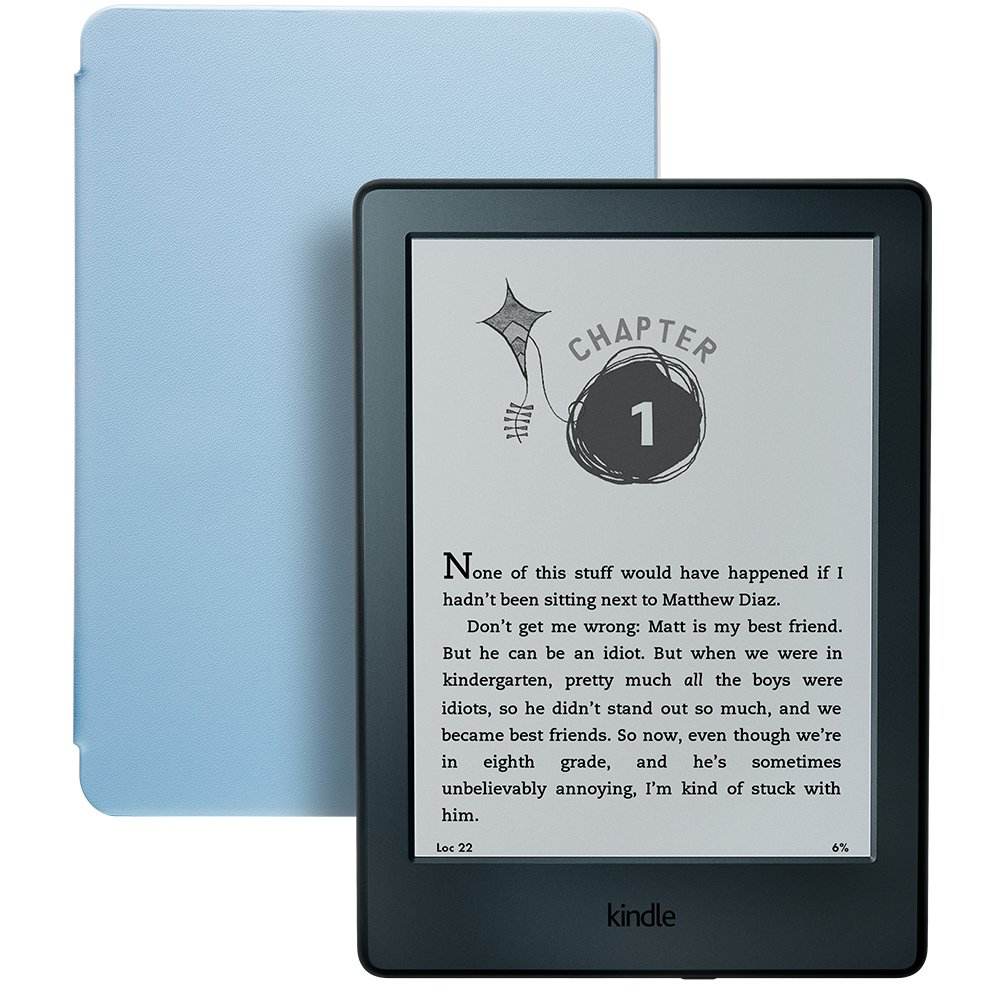
10. Books or an eReader Filled with eBooks: Nothing encourages reading more than books that your child enjoys. Some children are happier with a print book and some are more motivated by an electronic library of books on an eReader. It may seem counter intuitive to buy your child a Lego Ninjago book over a classic like Frog and Toad, but the most important thing to consider when purchasing a book for your child is whether they will read it or not. We need to encourage our children to read whatever they enjoy and as they read more and more, we can steer them towards classics and higher quality literature. Some of the most popular book series currently are the Piggie and Gerald books (Grade K-1), I Survived books (Grades 1-3), and Harry Potter (Grade 3-5). Students are also crazy about Pigeon books, Lego books, and World Record books. If you have little ones at home you should check out the board books offered by Usborne as they are wonderful for learning and very high quality binding.


Bonus: Monticello Public Library Card! If your child does not have a library card yet, now is the time! A library card opens up a world of possibilities for your child. Not only can your child check out library books with a library card, but they can check out eBooks for their eReaders. The library offers audiobooks (on CD or digital), videos, and magazines. A library card gives your child access to online databases for help with homework and research. The public library also offers various programs for all ages throughout the year. Give your child the ultimate gift! (And the real bonus is that it's free!)


Some ideas borrowed from: http://www.realsimple.com/holidays-entertaining/gifts/gifts-readers/more

Sunday, October 9, 2016

Low Budget Maud Hart Attempt Number 2

Last year was the first year I was actually able to run the Maud Hart Lovelace Award program at a school. I began by teaching my 3rd-5th grade students about the program in September. I reminded them throughout the year that they needed to read three of the books in order to vote in March. The students understood the program and were excited to start reading the books. The only problem was that we only had 2 copies of each book to share among 500 or so students. The budget just didn't allow for buying more copies. I reminded the students that they could visit the public library or get the books from the local book store, but many did not do this for various reasons. In the end, I was only able to get 7 students to vote. Not to be discouraged, I am trying again this year.

Of course when things don't go exactly as you'd like, you need to make adjustments. I tried to find a way to equitably distribute the Maud Hart Lovelace books last year by using a spreadsheet and randomizing requests. This year I've decided we need to keep things simple, so the books will be on display when they are available and when they are checked out, students will be able to put the books on hold just like any other book in the library. Hopefully this will be a less complicated and quicker system. However, there will still be a high demand and low supply of these books, so I have talked to the local public library and asked that they display the books as well. An email was also sent home to parents explaining the program and encouraging them to help their children check out the books from the public library.

To remind the students of the program, we are trying a few different things. We will be sharing a bit about each book on the announcements to encourage students to check them out from the library. As I said earlier, we have sent out an email to parents to encourage them to get involved. We have talked to the local public library about having a display of the books and helping students to find them. Finally, we will have several posters in the Media Center about the Maud Hart Lovelace program, as well as a book display of the nominees. Hopefully all of these steps will encourage more students to participate in the Maud Hart Lovelace program.

To learn more about the Maud Hart Lovelace Award and this year's nominees, visit: http://www.maudhartlovelace.org/

Wednesday, May 25, 2016

Star of the North Award: 2015-16 Winners and 2016-17 Nominees


This year was probably the first year ever that Pinewood Elementary has participated in the Star of the North Award program. This program is for grades K-2. Librarians from around the state of Minnesota select 10-12 books as nominees. Students then need to read 8 of the nominees to vote on the book they believe should win the award. This year only our 2nd grade students voted as we just ran out of time to read the books with first and kindergarten. At this time, I plan to read enough nominees to each grade level to allow them all to vote, but things do change. We are also exploring STEM curriculum at this time, so we may do a little less reading. Either way, summer is a great time to get ahead in reading, and these books would be a great addition to your summer reading list.

Star of the North Reveal Party

The winners for the 2015-2016 school year were announced at a ceremony at Mackin Books in April. Third place went to Ninja Red Riding Hood by Corey Rosen Schwartz. This book retells the story of Little Red Riding Hood with Little Red beating the wolf in Tai Chi. Second place went to Gaston by KellyDiPucchio. This story tells of a puppy mix up and teaches a life lesson about fitting in. And in first place was The Day the Crayons Quit by Drew Daywalt. This book tells the hilarious story of crayons walking off the job and expresses the importance of creativity.


This year'Rhoda's Rock Hunts nominees are (descriptions taken from publisher/author website or Amazon):
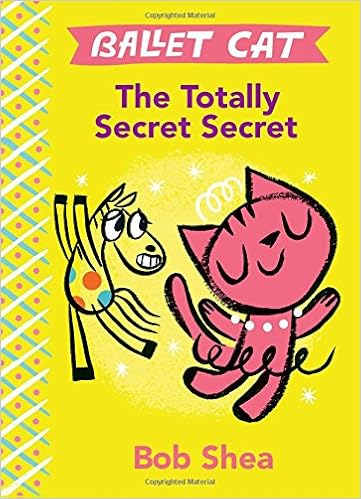
Ballet Cat: The Totally Secret Secret written and illustrated by Bob Shea: Ballet Cat and Sparkles the Pony are trying to decide what to play today. Nothing that Sparkles suggests--making crafts, playing checkers, and selling lemonade--goes well with the leaping, spinning, and twirling that Ballet Cat likes to do. When Sparkles's leaps, spins, and twirls seem halfhearted, Ballet Cat asks him what's wrong. Sparkles doesn't want to say. He has a secret that Ballet Cat won't want to hear. What Sparkles doesn't know is that Ballet Cat has a secret of her own, a totally secret secret. Once their secrets are shared, will their friendship end, or be stronger than ever?

The Bear Ate Your Sandwich written and illustrated by Julia Sarcone-Roach: This is the delicious tale of a bear, lost in the city, who happens upon an unattended sandwich in the park. The bear’s journey from forest to city and back home again is full of happy accidents, funny encounters, and sensory delights. The story is so engrossing, it’s not until the very end that we begin to suspect this is a TALL tale.

Emmanuel's Dream: The True Story of Emmanuel Ofosu Yeboah by Laurie Ann Thompson, Sean Qualls ill.: Emmanuel Ofosu Yeboah's inspiring true story—which was turned into a film, Emmanuel's Gift, narrated by Oprah Winfrey—is nothing short of remarkable.
Born in Ghana, West Africa, with one deformed leg, he was dismissed by most people—but not by his mother, who taught him to reach for his dreams. As a boy, Emmanuel hopped to school more than two miles each way, learned to play soccer, left home at age thirteen to provide for his family, and, eventually, became a cyclist. He rode an astonishing four hundred miles across Ghana in 2001, spreading his powerful message: disability is not inability. Today, Emmanuel continues to work on behalf of the disabled.

In a Village by the Sea by Van Muon, April Chu ill.: Written in a spare, lyrical style using fresh, evocative imagery, In a Village by the Sea tells the story of longing for the comforts of home. A perfect book for teaching about diverse cultures and lifestyles through rich pictures and words, moving from the wide world to the snugness of home and back out again.

Night Animals written and illustrated by Gianna Marino: First Possum hears it. Then Skunk. Then Wolf comes running.
“What could it possibly be?” asks Bat.
“Night Animals!” the animals declare.
“But you are night animals,” Bat informs this not-so-smart crew.
Children will love the oh-so-funny animals in this twist on a cozy bedtime book.

Red: A Crayon's Story written and illustrated by Michael Hall: Red has a bright red label, but he is, in fact, blue. His teacher tries to help him be red (let's draw strawberries!), his mother tries to help him be red by sending him out on a playdate with a yellow classmate (go draw a nice orange!), and the scissors try to help him be red by snipping his label so that he has room to breathe. But Red is miserable. He just can't be red, no matter how hard he tries! Finally, a brand-new friend offers a brand-new perspective, and Red discovers what readers have known all along. He's blue! This funny, heartwarming, colorful picture book about finding the courage to be true to your inner self can be read on multiple levels, and it offers something for everyone!

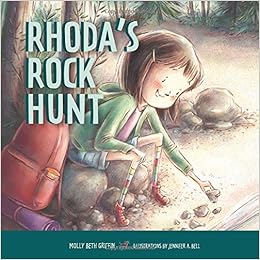
Rhoda's Rock Hunt by Molly Beth Griffin, Jennifer A. Bell ill.: Rhoda is on a long, long hike with her aunt and uncle, each of them carrying backpacks of gear as they walk through the north woods. While Auntie June and Uncle Jonah watch for wildlife and set up their campsites, Rhoda is on the hunt for one thing: ROCKS.
She finds them in all shapes and patterns, from hearts and hats to stripes and sparkles. And every last treasure goes into her pack, making it heavier and heavier as they hike through forests and along streams. Soon Rhoda is sweaty, and tired of salami sandwiches, and wishing for her own bed. Then, on the last day, they come to the Big Lake. And its beach is covered in rocks. Rhoda can’t believe her luck.
After hours of play and even more rock discoveries, it’s time to head for home. By now Rhoda’s pack is too heavy to lift. Will she give up her rocks and return to the cabin for a real shower, a hot meal, and a soft bed? Or will she stay on the beach forever with her beloved collection? Her clever solution makes the most of her treasures—and offers delights for other hikers.

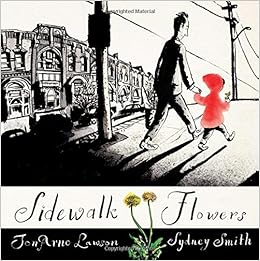
Sidewalk Flowers by JonArno Lawson, Sydney Smith ill.: In this wordless picture book, a little girl collects wildflowers while her distracted father pays her little attention. Each flower becomes a gift, and whether the gift is noticed or ignored, both giver and recipient are transformed by their encounter. "Written" by award-winning poet JonArno Lawson and brought to life by illustrator Sydney Smith, Sidewalk Flowers is an ode to the importance of small things, small people, and small gestures.

Water is Water  by Miranda Paul, Jason Chin ill.: Drip. Sip. Pour me a cup. Water is water unless...it heats up.
Whirl. Swirl. Watch it curl by. Steam is steam unless...it cools high.
This spare, poetic picture book follows a group of kids as they move through all the different phases of the water cycle. From rain to fog to snow to mist, talented author Miranda Paul and the always remarkable Jason Chin (Redwoods, Coral Reefs, Island, Gravity) combine to create a beautiful and informative journey in this innovative nonfiction picture book that will leave you thirsty for more.

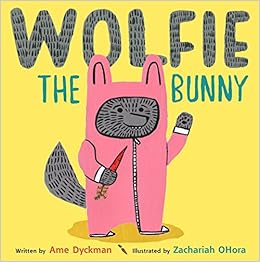
Wolfie the Bunny by Ame Dyckman, Zachariah O'Hara ill.: The Bunny family has adopted a wolf son, and daughter Dot is the only one who realizes Wolfie can--and might--eat them all up! Dot tries to get through to her parents, but they are too smitten to listen. A new brother takes getting used to, and when (in a twist of fate) it's Wolfie who's threatened, can Dot save the day? 

Maud Hart Lovelace Award: 2015-16 Winner and 2016-17 Nominees and Program

The Minnesota Youth Reading Awards announced the Maud Hart Lovelace Award winner at an evening event at the Red Balloon Book Shop in St. Paul. The third place winner was Summer of the Wolves by Polly Carlson Voiles. This book about a girl who doesn't fit in anywhere has a number of Minnesota connections from the setting to the author. The second place winner, full of humor and mystery, was Fourth Stall by Chris Rylander. And taking first place was Escape from Mr. Lemoncello's Library by Chris Grabenstein. This book was raved about by the students. The plot is similar to Charlie and the Chocolate Factory, but with more modern elements such as video games all built into a library setting.

This year was the first year in a while that we have attempted to participate in the Maud Hart Lovelace Award Program. The students were very excited to read the books. This year the program consisted only of voting on the award winner. This meant students had to read 3 of the nominees in order to vote for a winner. You can read a little more about that here. In the end we had six students vote. One of the reasons we had so few students able to vote was the lack of books. With our minimal budget, we are only able to purchase 2 copies of each book. It was suggested to me to limit the program to 5th grade students, but I hate limiting any program that I know will be good for my students.

In the next school year (2016-2017), we will still only be able to purchase two copies of each nominee. We will be doing a few things to make this program more successful working with our limited number of books. First, I plan to read at least one of the Maud Hart Lovelace nominees to all of our 3rd-5th grade classes. We are also asking for parent support to order more books through DonorsChoose.org. (If you are able to help please do.).  Lastly, we are hopeful that by sharing the nominee list with parents, students will be able to get the books from the public library to read over the summer. (You can also purchase them from most book stores. Shop Amazon here to support Pinewood.) Below you will find a list of the 2016-2017 Maud Hart Lovelace Nominees and a brief description. (Descriptions are taken from the authors website or amazon.)


This year's nominees for Division 1 are:
Almost Home by Joan Bauer: Sugar Mae Cole doesn’t often get downhearted, but lately it’s been a struggle to keep up her spirit. Newly homeless, Sugar, her mother Reba, and her beloved rescue dog, Shush, have come to Chicago to make a fresh start.  But it seems like everything goes wrong. Pouring her feelings into letters and poetry, Sugar is honest about her fear and confusion while holding tight to her dreams for a normal life… and learns to reach for the best she’s got during the worst time in her life.

Army of Frogs: A Kulipari Novel by Trevor Pryce: For years, the frogs of the Amphibilands have lived in safety—protected by an elite group of poisonous frogs named the Kulipari and by the dreamcasting spell of the turtle king that cloaks their lands in mystery. Now the spell is threatened by the Spider Queen, a talented spellcaster, and Lord Marmoo, leader of the scorpions. With the Kulipari off training in secret, the Amphibilands have never been so vulnerable. Enter Darel, a young frog who dreams of joining the Kulipari, despite his utter lack of poison and limited fighting skills. With the help of a motley crew of friends, Darel has the chance to become the warrior of his dreams.

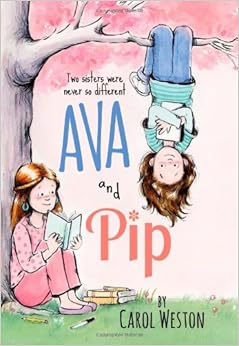
Ava & Pip by Carol Weston: It’s the first day of fifth grade, and Ava feels invisible in your own family. Her parents, Anna and Bob, are constantly worrying about her shy big sister Pip. It’s not fair! Sure, Ava feels bad for Pip, but she gets mad at her too. Ultimately, Ava decides to help her sister find her voice--and in doing so, she finds her own.

Breaking Stalin's Nose by Eugene Yelchin: Sasha Zaichik has known the laws of the Soviet Young Pioneers since the age of six:
The Young Pioneer is devoted to Comrade Stalin, the Communist Party, and Communism.
A Young Pioneer is a reliable comrade and always acts according to conscience.
A Young Pioneer has a right to criticize shortcomings.
But now that it is finally time to join the Young Pioneers, the day Sasha has awaited for so long, everything seems to go awry. He breaks a classmate's glasses with a snowball. He accidentally damages a bust of Stalin in the school hallway. And worst of all, his father, the best Communist he knows, was arrested just last night.

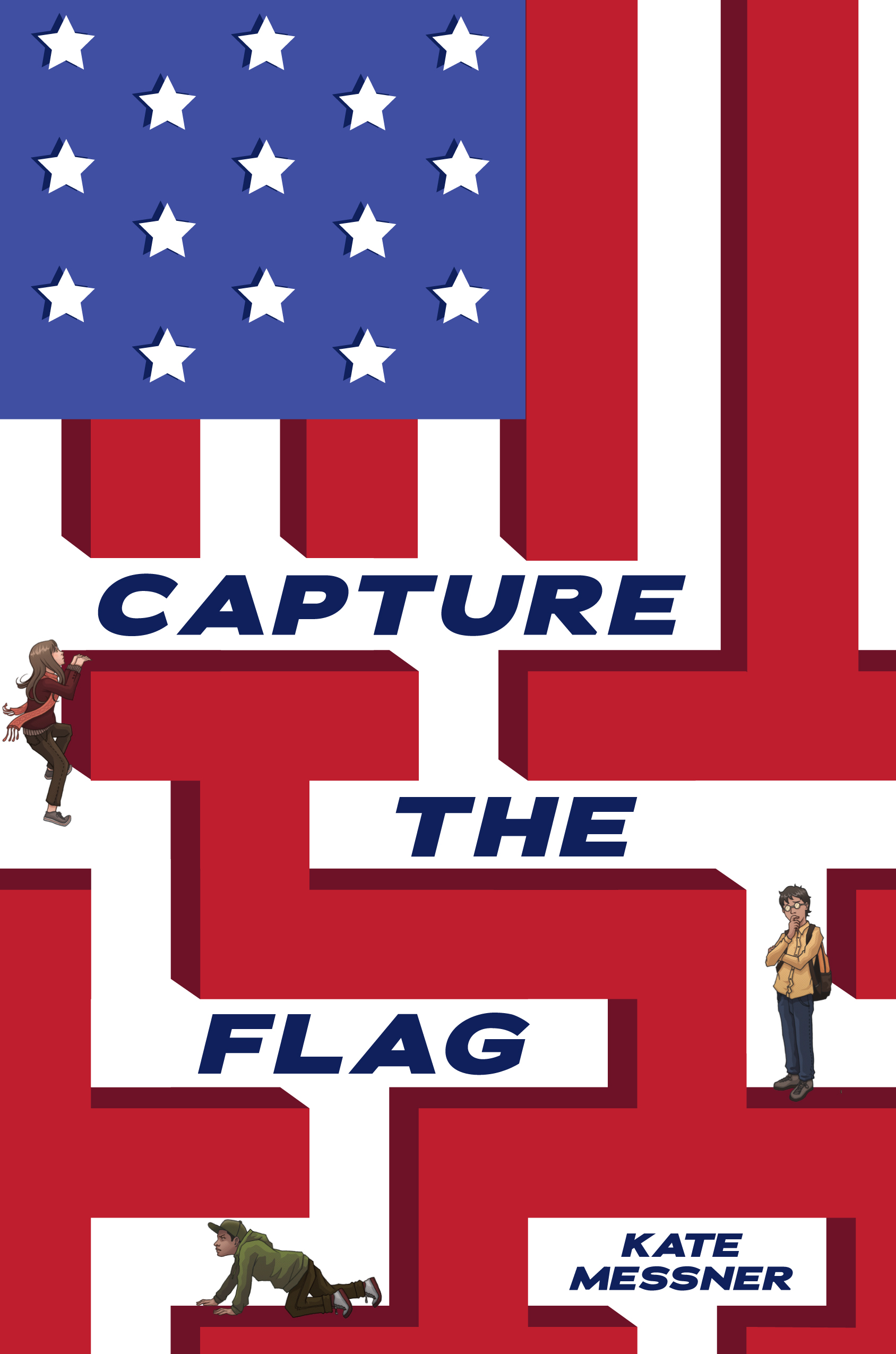
Capture the Flag by Kate Messner: Anna, José, and Henry are complete strangers with more in common than they realize. Snowed in together at a chaotic Washington DC airport, they encounter a mysterious tattooed man, a flamboyant politician, and a rambunctious poodle named for an ancient king. Even stranger…news stations everywhere have announced that the famous flag that inspired “The Star-Spangled Banner” has been stolen! Anna, certain that the culprits must be snowed in, too, recruits Henry and José to help catch the thieves and bring them to justice. But when accusations start flying, the kids soon realize there’s more than a national treasure at stake. And with unexpected enemies lurking at every corner, do Anna, José, and Henry have what it takes to solve the heist?

Image result for el deafoEl Deafo by Cece Bell:  Going to school and making new friends can be tough. But going to school and making new friends while wearing a bulky hearing aid strapped to your chest? That requires superpowers! In this funny, poignant graphic novel memoir, author/illustrator Cece Bell chronicles her hearing loss at a young age and her subsequent experiences with the Phonic Ear, a very powerful—and very awkward—hearing aid. The Phonic Ear gives Cece the ability to hear—sometimes things she shouldn’t—but also isolates her from her classmates. She really just wants to fit in and find a true friend, someone who appreciates her as she is. After some trouble, she is finally able to harness the power of the Phonic Ear and become “El Deafo, Listener for All.” And more importantly, declare a place for herself in the world and find the friend she’s longed for.

Escape by Night by Laurie Myers: Ten-year-old Tommy and his sister Annie are intrigued by the new soldiers arriving in their Georgia town. Since the Civil War started, wounded men waiting to be treated at the local church-turned-hospital have been coming in by droves. When Tommy sees a soldier drop his notebook, he sends his dog, Samson, to fetch it. Tommy soon meets the soldier and is faced with the hardest decision he's ever had to make: whether or not he should help a Yankee escape to freedom.

Five Lives of Our Cat Zook by Joanne Rocklin: In this warmhearted middle-grade novel, Oona and her brother, Fred, love their cat, Zook (short for Zucchini), but Zook is sick. As they conspire to break him out of the vet’s office, Oona tells the stories of his previous lives, ranging in style from fairy tale to grand epic to slice of life. Each of Zook’s lives have echoes in Oona’s own family life, which is going through a transition she’s not yet ready to face. Her father died two years ago, and her mother has started a relationship with a man named Dylan—whom Oona secretly calls “the villain.” The truth about Dylan, and about Zook’s medical condition, drives the drama in this loving family story.

Kizzy Ann Stamps by Jeri Watts: In 1963, as Kizzy Ann prepares for her first year at an integrated school, she worries about the color of her skin, the scar running from the corner of her right eye to the tip of her smile, and whether anyone at the white school will like her. She writes letters to her new teacher in a clear, insistent voice, stating her troubles and asking questions with startling honesty. The new teacher is supportive, but not everyone feels the same, so there is a lot to write about. Her brother, James, is having a far less positive school experience than she is, and the annoying white neighbor boy won’t leave her alone. But Shag, her border collie, is her refuge. Even so, opportunity clashes with obstacle. Kizzy Ann knows she and Shag could compete well in the dog trials, but will she be able to enter? From Jeri Watts comes an inspiring middle-grade novel about opening your mind to the troubles and scars we all must bear — and facing life with hope and trust.

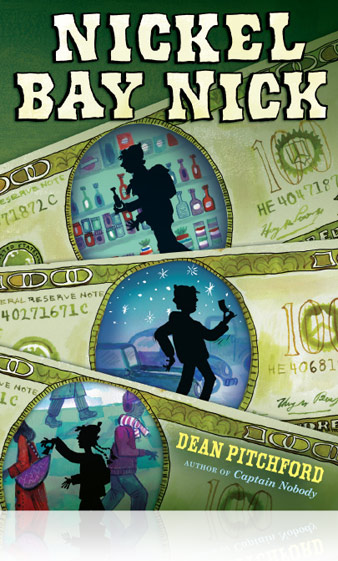
news-featureNickel Bay Nick by Dean Pitchford: Eleven-year-old Sam Brattle is already having the worst Christmas ever – his dad’s bakery is going bankrupt, and his mom is spending the holidays with her new family. To make things worse, Nickel Bay Nick – the Good Samaritan who could always be counted on to anonymously distribute hundred-dollar bills around town every Christmastime, is a no-show. So this year the rest of Nickel Bay is as miserable as Sam.
When he stumbles upon the secret identity of this mysterious do-gooder, Sam is stunned to learn that he might now be Nickel Bay’s only hope. But before he can rescue his hometown, Sam has to learn the skills of a spy and unravel some even darker secrets that will change his life forever.


Secret Chicken Society by Judy Cox: When Daniel finds out that his class is going to hatch chicks as a science project, he is thrilled. He's sure that his parents will let him adopt Peepers, who is his favorite. But who ever guessed that chicks could run amok and get into so much trouble? This warmheated chapter book about an environmentally-conscious family's experiment with poultry farming will provided plenty of clucks and lots of chuckles for young readers.

Wild River by P.J. Petersen:When twelve-year-old Ryan reluctantly agrees to join his experienced older brother, Tanner, on a camping trip, he never dreams that it will turn into the most frightening day of his life.
Ryan admits he's no good at sports or outdoor stuff. He'd much rather be playing video games. But Tanner assures him it will be an easy trip. They'll kayak down the Boulder River, fish, and toast marshmallows at night.
When they set out, the river is higher than usual, and the kayaking is scary. Tanner keeps saying there's no reason to worry. But when he's badly hurt in a kayaking accident, Ryan is afraid he's not up to the challenge of saving his brother's life. The only danger Ryan has confronted has been in his video games. What good are those games now, when he's facing a real-life battle?

Monday, May 23, 2016

The Local Public Library: Supporting Student Learning through the Summer


One of the reasons I have survived and even thrived as a Media Specialist is because of my high school Media Specialist, Wanda Erickson. On top of working at the Upsala School, Wanda is also a librarian at the local branch of the Great River Regional Library. Wanda has helped me to not only support my students at the school, but also to form connections with the public library. Recently I asked her about the library's summer reading program for kids. She passed along some information and also hooked me up with the local Library Services Coordinator, Sarah Seeley. Sarah and I talked and together created a short advertisement to share with the students about the summer reading program. Below is our video advertisement.


This year, the Great River Regional Library's Summer Reading Theme is Read for the Win. Students can swing by their local branch of the Great River Regional Library to pick up a library card and some books and sign up for the program. Students will receive a reading record on which they keep track of their summer reading. Each reading record has 5 clocks on it. Students will mark off one clock for each hour they read, are read to, or listen to an audiobook. When students have marked off 5 hours, they can return their records to the library to be entered into a drawing for some sweet prizes! While they are there, they can also pick up some more books to read. The program runs June 13-August 13. You can visit http://www.griver.org/kids/summer-reading-program for more information.


Also, this summer at the library, there will be lots of fun events for the kids to join in. Come during lunchtime on Fridays for crafts, reading, and social time. There are other craft opportunities as well, including creating a robot from recycled materials and creating balloon animals! There is even a Library Olympics in July! Check out all the events at the Great River Regional Library here:
http://www.griver.org/events

There's always something fun happening at your local public library!


Monday, January 18, 2016

Legos in the Library: Part Two

Back in October, I wrote about how excited I was to learn about the Lego Story Starter Kits. These kits looked amazing, and after having some time to work with them, I realized they really are amazing. We were given the funds to purchase a classroom set of Lego Story Starter boxes from our generous and supportive PTO. The first project we have done with the Legos is having our 4th grade students write their own mystery stories. They planned out their stories using a worksheet, wrote a rough draft on lined paper, and then typed their final draft on a Chromebook using Google Docs. Before even getting to use Legos, these students learned the elements of a mystery story, how to plan out a project, and how to use their imagination to write a story. Once the students finished typing their stories we began using the Legos to build the illustrations for their story. The students built a beginning, a middle, and an ending scene from the Legos. The final step was to put the pictures I had taken of their scenes into the Google Doc.

After doing this project, there are a few things I think went really well, and some things that could be improved upon. First, let me start by saying that I will be doing this project with the 4th grade students again next year, however there will be improvements made. When I look back and think about what we could improve on, it mostly comes down to organization. By having the students complete their planning and rough drafts on paper, this made it possible for worksheets to be misplaced or taken home and forgotten about. Next year, I will have the students complete the worksheet in Google Docs and type their rough draft. After they complete their rough draft, I will show them how to use spell check and have them have at least one classmate critique their story before saving it as the final draft. Another organization issue was in using the Legos. With the way my schedule is, I only had 25 minutes with each 4th grade class every 4 days. This is really not enough to complete even one scene, so the first classes I had using the Legos saved their creations to complete later. This meant that there were not enough Legos for the other classes to complete their creations, and we forgot which bins the Lego pieces came from. To solve this issue I combined my 4th grade classes. Where I usually had one class working on Legos and another checking out books, I simply combined them and let them pause to check out books at a time that worked for them. Next year I will begin the project with a combined class as it seems to make the project go much faster. Finally, in using the Legos I did not leave enough time to clean up so the boxes did not get sorted back to the way they were at the beginning of the unit. Luckily I have some 5th grade girls that will help me out, but next year I will need to spend part of a period explaining how the Legos should be sorted and be more vigilant as the students pick up.

Now on to the great things that have come from this project! First and foremost, the students were having fun learning. The students learned a lot of things, but the thing they will always remember is being able to "play" with Legos in the library. This Lego project allowed me to combine language arts, technology, and art into one lesson. It built community through collaboration as groups of students worked together at Lego bins. It built confidence as students found something they could be successful in, and ultimately, it made the students feel good.


(More pictures to come.)